



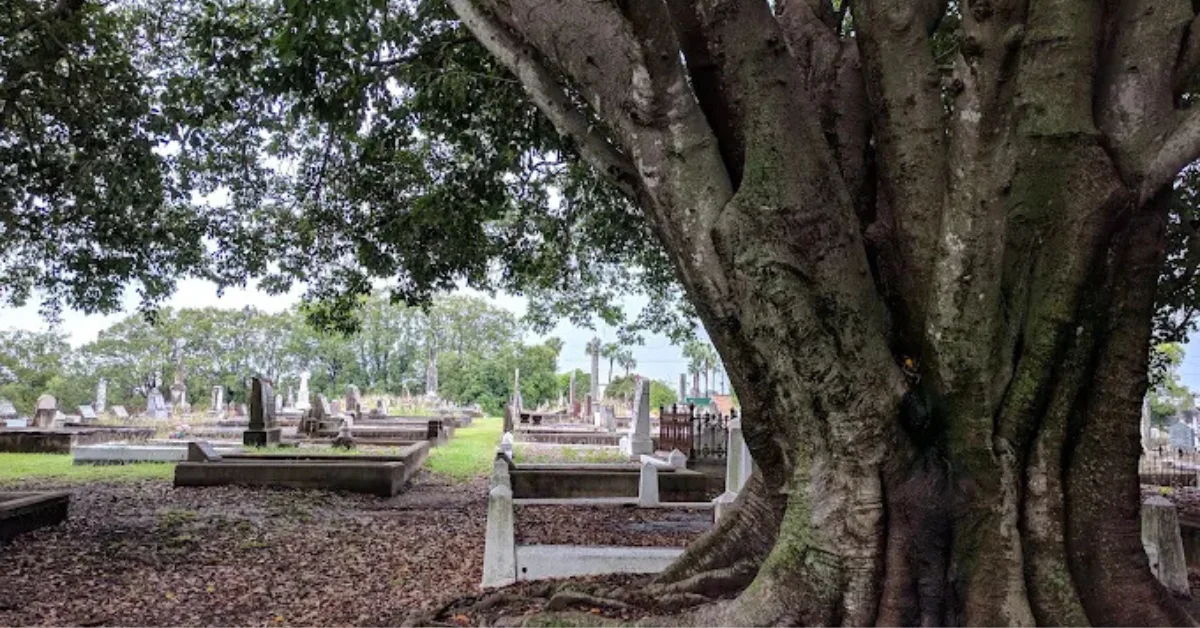
Historic graves at Lutwyche Cemetery are reportedly being damaged by mature trees, with expanding root systems said to be shifting headstones and fracturing stone coping around some burial plots.
Read: Previously Unmarked War Graves in Lutwyche Cemetery Honoured Ahead of Remembrance Day
The cemetery, which is listed on the Brisbane Heritage Register, features mature trees that form part of its recognised heritage landscape. Their preservation presents an ongoing management consideration alongside efforts to protect historic graves and monuments.
Across sections of the heritage-listed burial ground, tree roots have reportedly damaged grave surrounds, shifted headstones and cracked stone coping. While the mature trees are recognised as an important part of the cemetery’s heritage character, their root systems have also been linked to damage affecting some ageing monuments.
Visitors Raise Maintenance Concerns
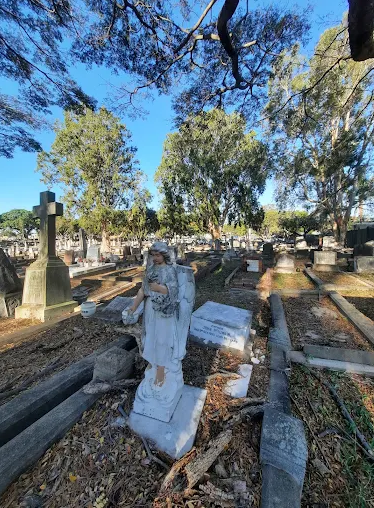
Some visitors have raised concerns about the condition of parts of the cemetery through online reviews. Several reviewers described the cemetery as peaceful while also commenting that some grave markers appeared poorly maintained or difficult to locate. Although these reviews reflect personal opinions rather than official assessments, they indicate concerns that some visitors have noticed regarding the condition of older graves and cemetery records.
Many of the monuments at Lutwyche Cemetery are well over a century old and have been exposed to decades of weathering and vegetation growth, adding to the maintenance considerations associated with historic cemeteries.
The reported damage highlights the complexities of managing a heritage-listed cemetery where both historic monuments and significant landscape features require ongoing conservation.
Heritage Trees Present a Management Challenge
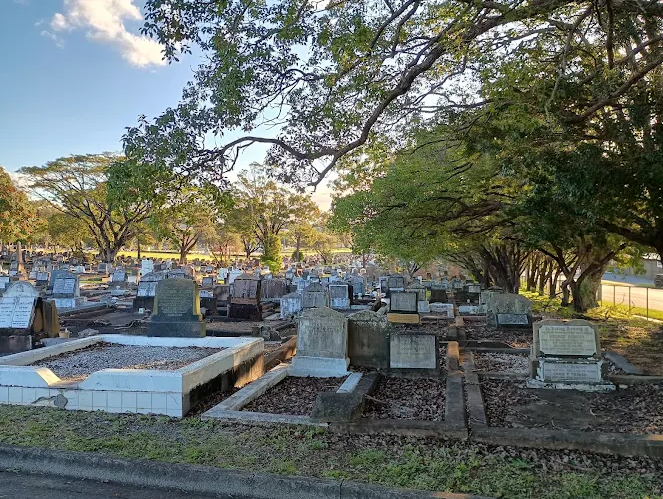
The mature trees throughout the cemetery contribute to its distinctive appearance and heritage value. Brisbane’s heritage records identify rows of trees planted as part of the cemetery’s original landscape design, particularly near the entrance and along the site’s boundaries.
The heritage record notes that Cypress Pines were favoured because they are evergreen. Together with mature Camphor Laurel trees, they contribute to the heritage character recognised in the Brisbane Heritage Register.


At the same time, large root systems can shift surrounding ground, contributing to leaning headstones, fractured stone borders and unstable monuments.
Managing these competing priorities requires careful consideration, as heritage conservation often seeks to retain significant mature trees while also protecting the historic fabric of the cemetery.
A Cemetery Steeped in History
Lutwyche Cemetery has served Brisbane’s northern communities for well over a century. A Board of Trustees was established in 1877 to create a cemetery for the growing Lutwyche district, with land clearing beginning in early 1878. The first recorded burial took place in August that year when a five-year-old boy was laid to rest, although the cemetery was not officially gazetted until 1886.
Originally known as Kedron Brook Cemetery, it was later renamed Lutwyche Cemetery after Alfred Lutwyche, Queensland’s first Supreme Court judge.
Read: Lutwyche Cemetery: Know the Fascinating History of One of Brisbane’s Oldest Burial Sites
Today, the cemetery is the final resting place for thousands of Queenslanders and provides a record of the region’s early development. The burial grounds include the graves of pioneering families, veterans and other community members from Brisbane’s early history.
Published 23-July-2026