



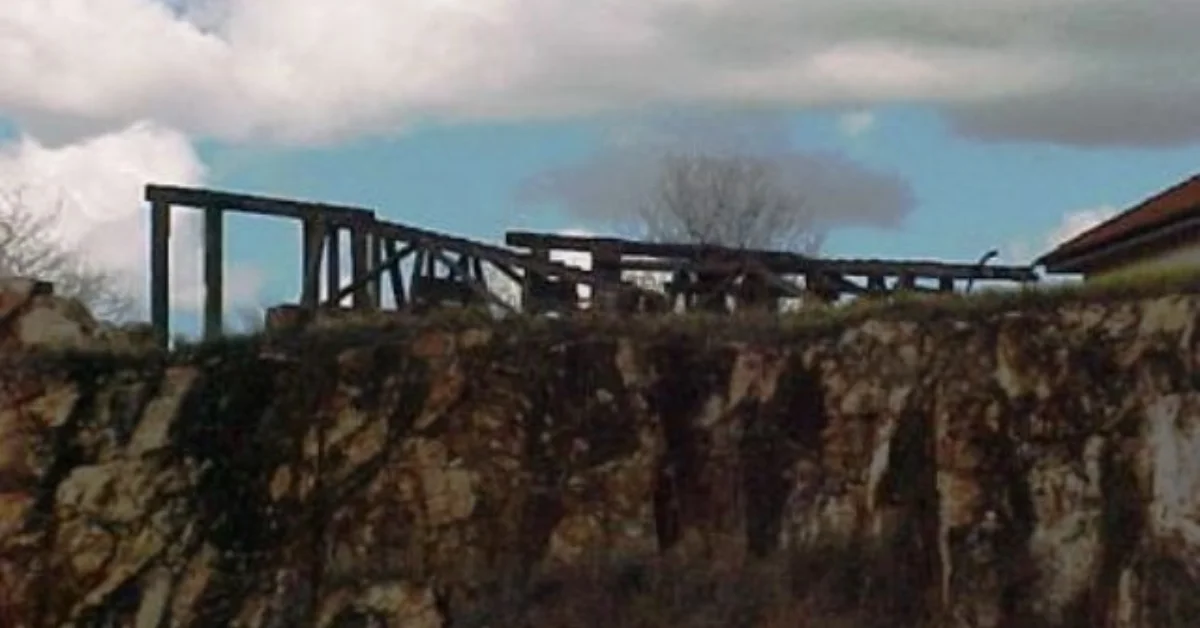
A surviving wooden stone crusher at a former quarry site in Kedron offers a glimpse into an earlier chapter of the suburb’s history.
Read: Street Spotlight: Turner Rd, Kedron
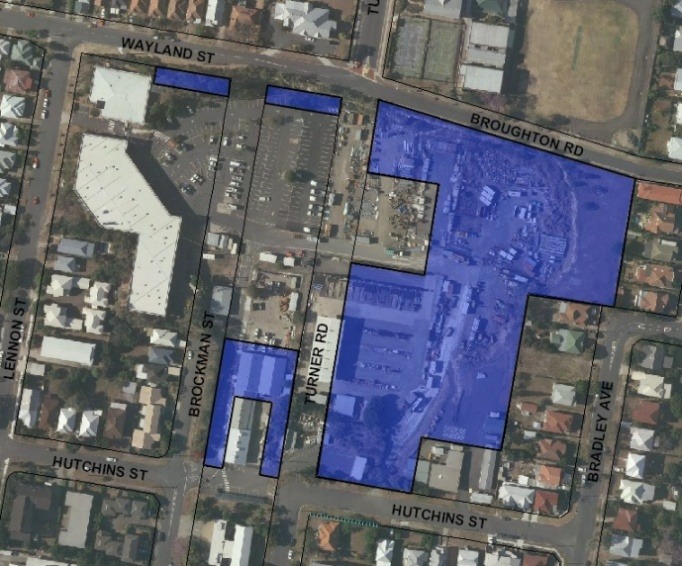
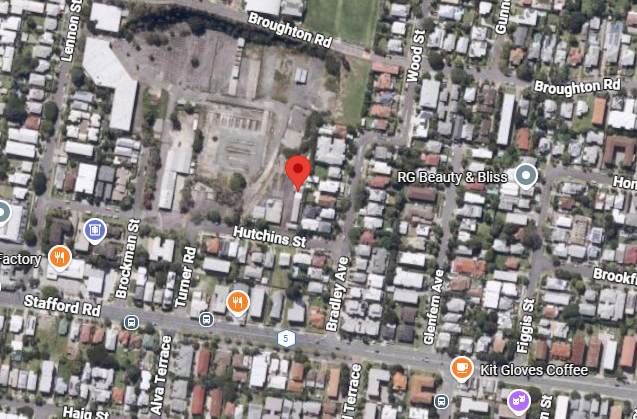
At 41 Turner Road, the former Kedron Shire Quarry is recognised as a local heritage place. The site retains a quarried rock face and the Ruwolt jaw crusher, a wooden stone crusher installed in 1926 after the quarry passed to Brisbane City Council following the amalgamation of local councils in 1925.
The quarry had been operating from the 1910s, when the area was still developing beyond the suburban landscape familiar to residents today. Heritage records say local residents recalled the quarry being operated by Kedron Shire, with accidents and the installation of equipment reported in local newspapers from 1913.
The quarry produced Brisbane Tuff, also known as Porphyry in the quarry and stonemasons’ trade. The unusual welded volcanic rock occurs along a relatively narrow geological belt running through Brisbane, with historic quarries developed at several locations along the outcrop.
The stone had practical uses across the city. Brisbane Tuff was commonly used as rough-dressed stone in early buildings, including ashlar work, base courses, retaining walls, side walls and cellars. It was also extensively used for roadmaking, kerbing, wharves and marine walls.
The heritage record identifies the former quarry as having produced purple and white welded tuff for building stone before becoming a source of crushed rock for road pavement gravels and retaining walls. The site’s connection to construction and roadmaking is reflected in its heritage significance.
Quarrying was physical work. Heritage records say the rock was blasted away and then smashed with sledge hammers. The quarry was later extended to two levels, with one level reportedly filling with water and being used by local residents as a swimming hole on weekends.
The Ruwolt crusher was installed in 1926, but it was not immediately put into operation. A 1928 report cited in the heritage record said the crusher had been delivered in August 1926 but had still not turned a wheel 18 months later.


The quarry eventually closed in 1963 after its supplies of tuff were exhausted. By then, residential settlement had moved closer to the site, with blasting, flying rock, dust from conveyor belts, rock crushing and truck movements affecting nearby residents.
The heritage listing states that the site accommodates a Brisbane City Works Depot. The remaining quarry face and wooden crusher are identified as rare elements of Brisbane’s cultural heritage, while the rock face is recognised as a distinctive landmark in the district.
Read: Kedron School Precinct Plan Still In Design Beyond Expected Release
The place has been listed as a local heritage place since 1 July 2003 under historical, rarity, aesthetic and social criteria. Its survival provides a tangible link to the construction and roadmaking activities that helped shape Brisbane.
Published 5-October-2026