





Two major Catholic colleges in Kedron are among the Queensland school employers covered by a proposed workplace agreement that has drawn union opposition over reproductive health leave, salaries and working conditions. Padua College and Mount Alvernia College are participating in the same statewide bargaining process, which will determine the next set of employment conditions for their eligible staff.
The proposed agreement was released to employees on 8 October 2026, ahead of an online ballot running from 19 to 29 October. Both colleges appear on the Catholic Education Queensland employer list for the Religious Institute Schools agreement, which is separate from the agreement covering diocesan Catholic schools.
Separate colleges, common employment agreement
Padua College and Mount Alvernia College operate independently, but their inclusion in the Religious Institute bargaining group places eligible employees under the same proposed industrial instrument. Teachers and non-teaching staff covered by the agreement will vote on a package addressing salaries, leave and other workplace conditions.
The Independent Education Union has opposed the employers’ proposal, arguing that its reproductive health leave provisions are more restrictive than those available to Queensland public-sector employees. Its objections extend to teacher workloads, school officer wages and conditions for specialist and leadership staff.
Five days of leave under restricted conditions
Clause 8.19 of the proposed Catholic school agreements provides up to five days of paid reproductive health leave each calendar year for eligible employees. The entitlement would not accumulate annually, with part-time and term-time staff receiving a proportionate allowance and casual employees excluded.
Eligibility would require an employee to be absent because of chronic symptoms associated with at least one of eight listed conditions or procedures: endometriosis, adenomyosis, dysmenorrhoea, polycystic ovary syndrome (PCOS), hysterectomy, menopause, perimenopause or prostate disease.
A further restriction applies to accumulated personal or carer’s leave. Full-time employees must have fewer than 10 days remaining, while part-time and term-time staff must have less than a proportionately adjusted balance. Employees would also need to meet the agreement’s notification and evidence requirements.
IVF included in public-sector leave provisions
Queensland public-sector employees have had access to up to 10 working days of paid reproductive health leave annually since 30 September 2024. The entitlement includes fertility treatment such as IVF, chronic reproductive health conditions, preventative screening and specified medical procedures, without requiring employees to exhaust other types of leave first.


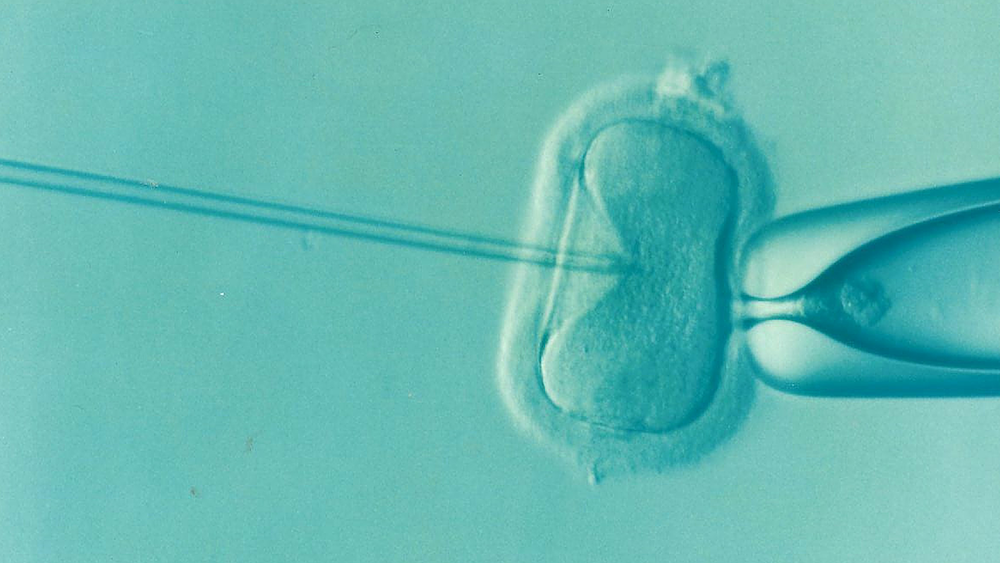
The Catholic school proposals do not expressly include IVF among the qualifying reasons for the new reproductive leave entitlement. Other existing leave arrangements may remain available for medical treatment or appointments, depending on the circumstances. The proposed agreements also provide for accumulated personal or carer’s leave to be used for preventative medical advice or treatment, including reproductive health screening.
Union raises pay gaps and workload concerns
The Independent Education Union Queensland and Northern Territory has sought reproductive health leave comparable to the public-sector entitlement, alongside improvements in wages and working conditions. Its bargaining claims also cover teacher workloads, school officer classifications and recognition of specialist and leadership roles.
The union says some Queensland Catholic school classroom assistants earn between 10 and 25 per cent less than workers performing comparable jobs in New South Wales Catholic schools. It also argues that the proposed agreement does not adequately address increasing teaching workloads or the working conditions of specialist staff.
Catholic school employers have proposed teacher wage increases of four per cent in 2026, followed by 3.5 per cent in both 2027 and 2028. Their package also includes changes to certain school officer and services staff classifications, along with proposed improvements to leave arrangements. The union maintains that the offer does not sufficiently address its outstanding claims.
More than 22,000 employees covered by ballot
According to Catholic Education Queensland, the bargaining arrangements cover more than 22,000 employees across 313 schools. Separate proposed agreements apply to schools operated by diocesan Catholic education authorities and those under Religious Institutes or Ministerial Public Juridic Persons.
The online ballot will run from 19 to 29 October 2026, with eligible employees able to vote whether or not they belong to a union. An agreement must receive majority support from employees casting valid votes and subsequently obtain approval from the Fair Work Commission before taking effect.
Backpay remains contested as vote approaches
Employers say approval during the October ballot would secure their proposed retrospective wage payments, including backpay from 1 July 2026 for teachers. If the agreement is rejected, existing employment conditions would continue while a replacement is pursued.
Under the employers’ stated approach, backpay following a later successful ballot would begin from the first day of the month in which that vote occurs. The union has criticised the condition, arguing that retrospective wages should remain part of further negotiations rather than depend on approval of the current offer.
Published 9-Oct-2026

