


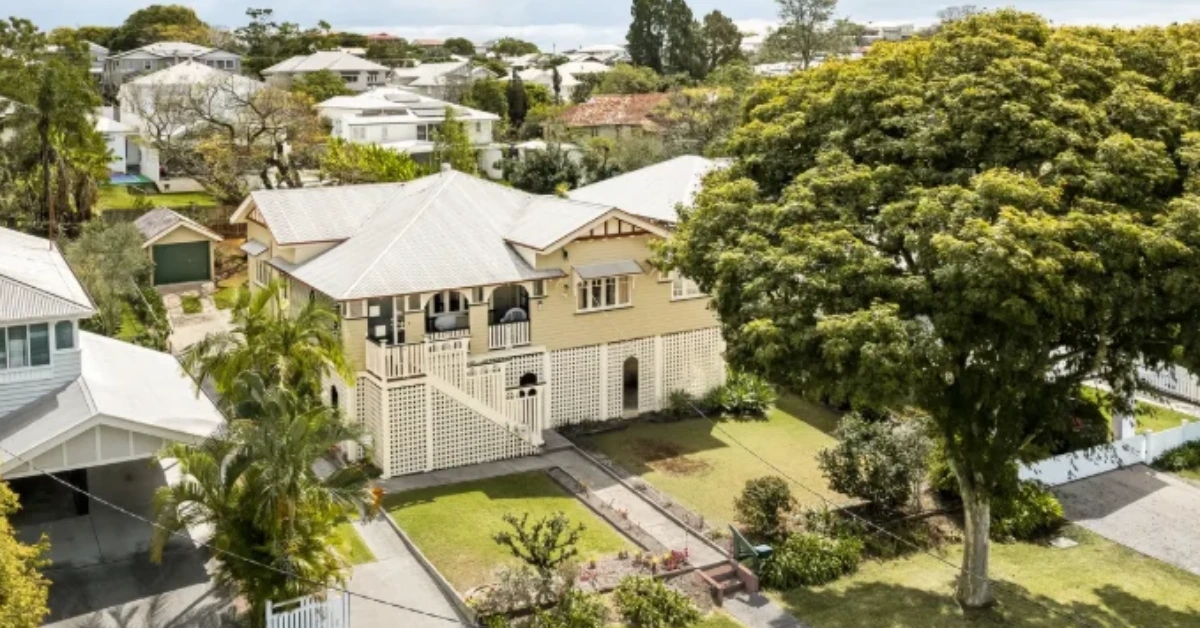
Gordon Park Queenslander Built in 1921 Reaches $2.03M at Auction

A Queenslander built in 1921 has fetched $2.03 million at auction in Gordon Park, marking a change of ownership for a historic home that had remained in the same family for 105 years.


Read: Gordon Park Home Sells For $3.05 Million After 30 Years


The property at 87 Khartoum Street attracted 10 registered bidders, with competition driving the final price to $2,030,000. The sale was recorded on 12 October 2026.
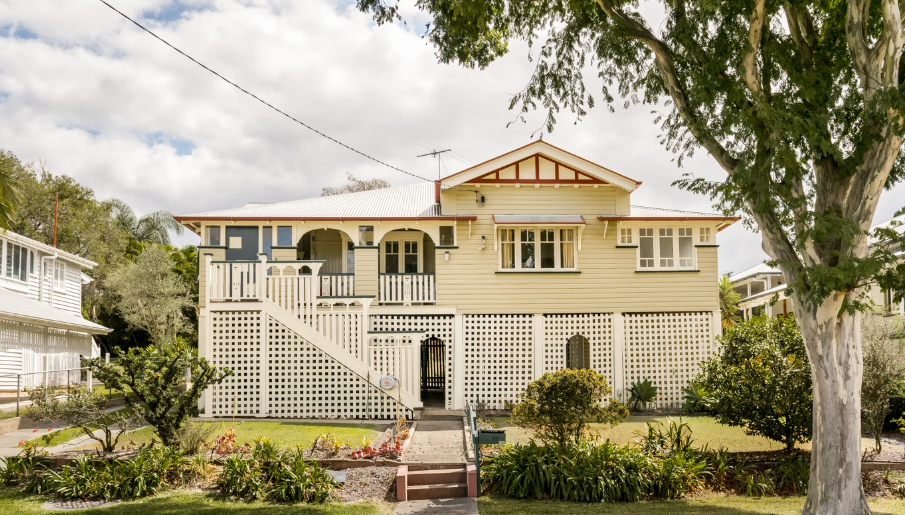
Photo credit: Ray White Wilston

Marketed by Ray White Wilston, the home occupies an 810-square-metre allotment across two lots. Its original architectural details, substantial land area, and long family history were among the features highlighted in the property’s marketing campaign.

A Century of Family History in Gordon Park
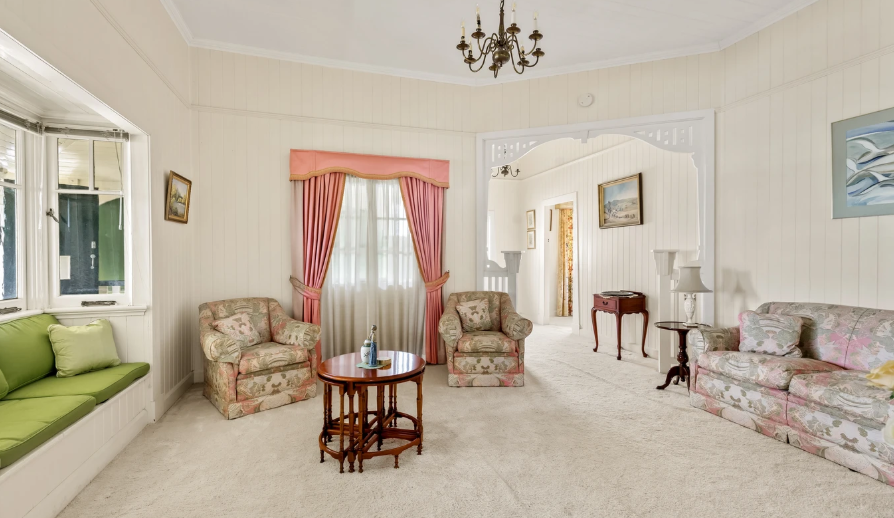
Photo credit: Ray White Wilston

The Khartoum Street residence remained in the same family from its construction around 1921, with two sisters who were born in the home continuing to live there until recent years. Much of the property’s original character remains visible throughout the interior, where traditional architectural features sit alongside updates made over the years.
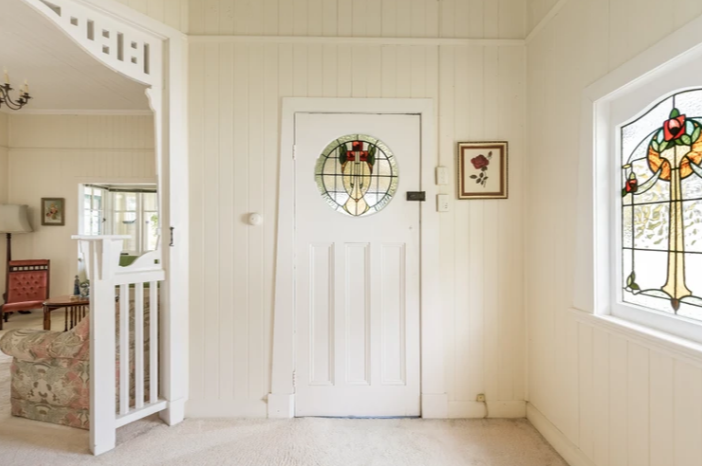
Photo credit: Ray White Wilston

Original sash and casement windows, decorative leadlight glass, curved archways and breezeways are among the surviving features. Well-preserved hoop pine flooring, picture rails and a bay window seating area in the lounge further reflect the home’s early 20th-century design.
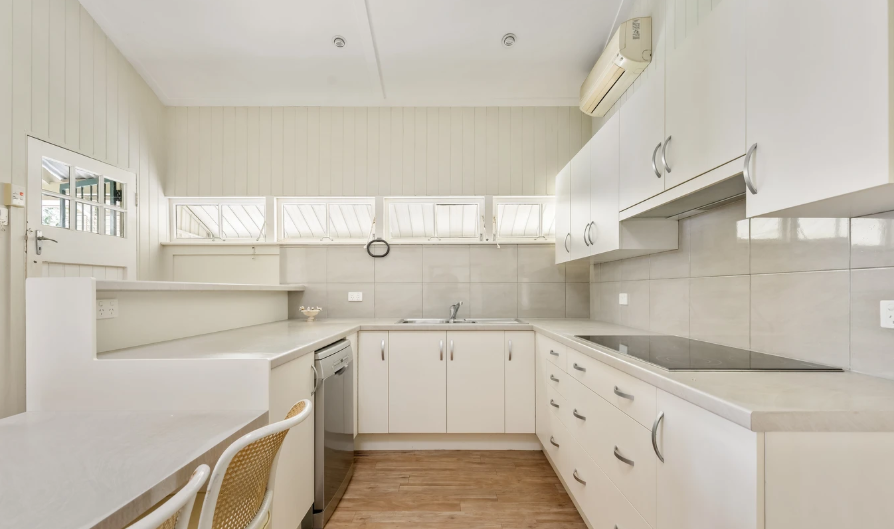
Photo credit: Ray White Wilston

The separate dining room retains its original light fitting, while the eat-in kitchen includes bench space, storage and a walk-in pantry. An upstairs storeroom and separate playroom provide additional spaces within the residence.

Ray White described the home as having two main bedrooms, a sleepout and two bathrooms. The listing also identified a downstairs bedroom and bathroom.

Outside, the property includes a separate remote-controlled lock-up garage, covered parking for two vehicles and additional driveway parking. Side access, a 3,000-litre water tank and a 5kW solar panel system complete the advertised features.

Ten Bidders Compete at Gordon Park Auction

Ten prospective buyers registered to participate in the auction, reflecting the interest in the historic property. A young first-home buyer opened bidding at $1.4 million. Four bidders competed during the initial stages, with further competition taking the price beyond $2 million.

The property was declared on the market at $2.01 million before the final bids lifted the result to $2.03 million. Around 80 people attended the auction, where the eventual purchaser competed against a local woman during the closing stages.
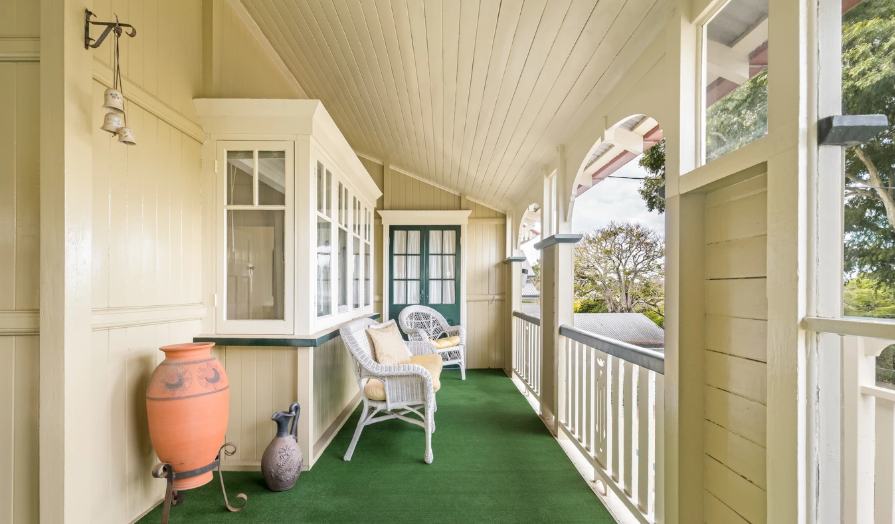
Photo credit: Ray White Wilston

The final figure followed a competitive campaign for a property whose land configuration and original architectural features were prominent in its marketing. Positioned on the higher side of Khartoum Street, the home spans two lots. Ray White Wilston also highlighted its future potential, without identifying any approved redevelopment plans for the site.


Read: Street Spotlight: Bedford Street, Gordon Park


The auction marked the end of 105 years of family ownership for the Gordon Park Queenslander, which retains many of its original 1920s features.

Published 14-October-2026

Stafford Heights Entrepreneur Turns $10,000 Handbag Venture Into International Brand

What began with a $10,000 investment has grown into a fashion business for Stafford Heights resident Claudine Blondeau and her sister Olivia, who launched EAU Bags in 2022 and are planning to expand into the US market.


Read: Kedron Café and Stafford Heights Butcher Share A Local Food Success Story


The Brisbane-founded label has secured retail partnerships with major Australian names, including David Jones and The Iconic. Its growth has seen the sisters move from developing their products in a spare bedroom to running a business with a growing team and an expanding network of stockists.

A Small Investment With Big Ambitions

Photo credit: EAU Bags

Claudine, 29, and Olivia, 32, had discussed starting a business together for years. Claudine had worked in journalism and public relations, while Olivia brought experience in branding and marketing for start-ups. Based in Brisbane and Melbourne respectively when they launched EAU Bags, the sisters set out to create bags that were fun, low-maintenance, and suited to everyday use.

The founders discussed their early days in a podcast, reflecting on how their small venture developed into a brand supplying major retailers. The sisters eventually left their secure jobs to concentrate on EAU Bags full-time, despite the financial uncertainty involved. Claudine reported that EAU Bags was growing 290 per cent year-on-year, with 13 employees, two warehouses and more than 300 independent stockists, alongside its major retail partners.

Recycled Materials Behind the Brand

Photo credit: EAU Bags

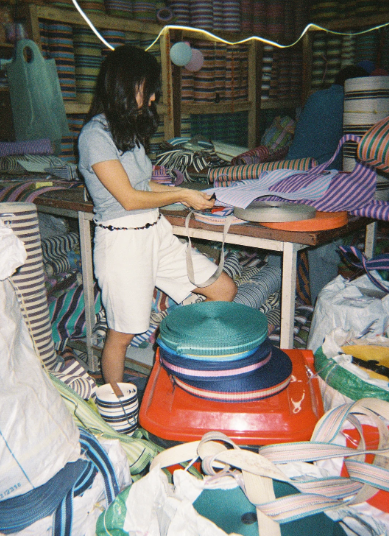
EAU Bags also uses recycled nylon made from waste materials, including discarded fishing nets, old carpets and factory offcuts. The materials are collected, cleaned, and transformed into recycled nylon yarn, which is dyed and woven into the brand’s distinctive striped fabric. Production involves artisans in India, where the sisters have established a dedicated studio that they visit each year.

Olivia has said the goal was to make something useful from materials that already exist, while creating bags customers would genuinely want to use for years.

US Expansion on the Horizon

Photo credit: Instagram/EAU Bags

Claudine said EAU Bags was preparing to enter the US market through Anthropologie, a fashion and lifestyle retailer. The planned expansion would give the sisters another opportunity to grow the brand beyond its Australian retail network.


Read: Rare New Mexican Flavours Arrive in Stafford Through a Three-Generation Family Love Story


The founders are also set to share their experience with Brisbane audiences at Fashion Queensland in Conversation at Brisbane Powerhouse on Friday, 16 October 2026.

The event, scheduled for 6.30pm, will feature the sisters in conversation with business mentor Deanne Luke. Topics include developing EAU Bags, working with artisans in India, building sustainability into the business and navigating the challenges of growing a fashion label.

Published 13-October-2026

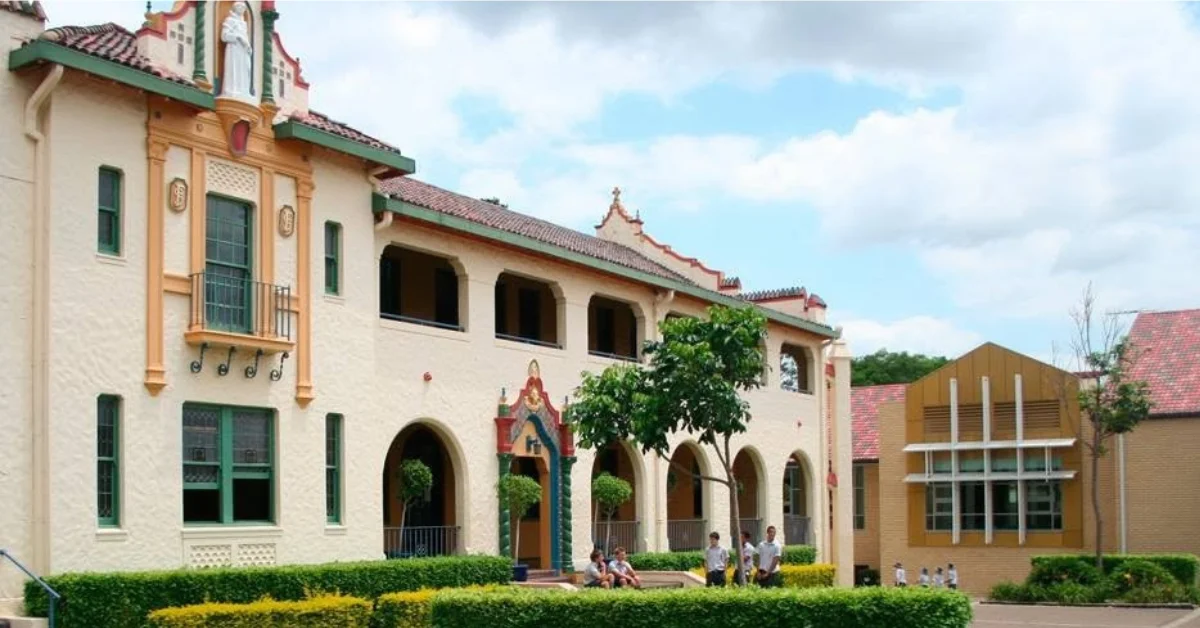
Padua College Calls Its Community Home for 70th Anniversary

Padua College is calling its community back to Kedron this October, inviting generations of former students, staff, and families to reunite as the school celebrates its 70th anniversary.


Read: New Classrooms and Gym Planned for Padua College’s Kedron Campus


The Padua Family Reunion will bring together people whose connections to Padua span different generations, with live music, a walk through the school’s history, a short liturgy, food and refreshments planned for the evening.

The event invites former students and the wider Padua community to return to the school, reconnect with old friends and celebrate the people who have shaped its history.

An Invitation to Come Home

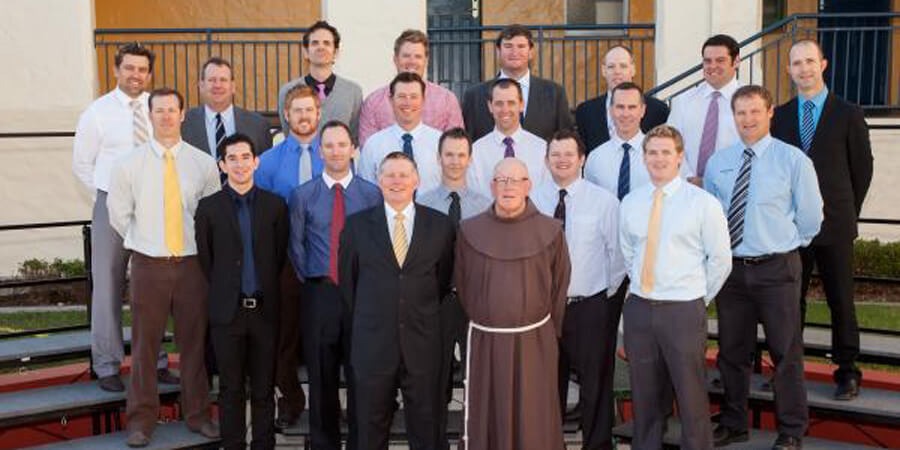
Organisers are encouraging Old Boys, current and former parents, staff members, Friars, grandparents, friends and supporters to attend the reunion.

The event draws on a sentiment attributed to Fr Alban Mitchell, who is credited with saying, “there’s no such thing as an ex-Paduan”. The phrase reflects the college’s invitation to people whose lives have been connected with Padua to take part in the celebration.

Photo credit: Facebook/Padua College Kedron (Official)

Former students will have an opportunity to catch up with classmates they may not have seen for years. Others can return to campus to reconnect with family members and former colleagues and reminisce about their time at the college.

Padua College has also used social media to encourage attendance, sharing photographs of familiar faces from the 1990s and asking followers to tag people they recognise or former classmates they have lost touch with. The message is simple: spread the word, find old friends and make plans to come home together.

Music, Memories, and Milestones

The evening will feature live music spanning several decades, including a performance by Padua Old Boy Oscar Lowe. A walk through Padua’s history and a short liturgy will also form part of the programme.

Food and refreshments will be available, with time set aside for guests to catch up and reconnect. The reunion places personal connections alongside the celebration of the college’s history. Padua College Rector Bruce McPhee has described the anniversary as an opportunity to recognise the people and relationships behind the institution’s 70-year history.

From Early Classes to a Lasting Community

Photo credit: Padua College

Padua College’s Old Boys’ Association began in 1964, the year after the first senior class completed its studies in 1963 with 14 students. The association started with RJ McCart as president, helping establish an organised connection between former students and the school.

By 1965, the association had 40 financial members, which the college’s historical account describes as a good effort given the small number of junior and senior classes that had passed through the school. Activities included helping clear Gibson Park for a fourth oval and holding an Autumn Fair.

Looking Back and Ahead

The 70th anniversary offers an opportunity to reflect on the individual stories that make up Padua’s history. Former students, staff and families have experienced the college at different times, contributing to its wider community history.

The reunion offers an opportunity to renew those connections and celebrate the wider Padua community. Organisers are encouraging attendees to contact former classmates and friends, particularly those who may not yet have heard about the event.

The Padua Family Reunion will take place on Thursday, 15 October 2026, from 5pm to 8pm at Padua College, 80 Turner Road, Kedron.


Read: Harris Andrews, the Latest Legend from Padua College


After seven decades, the invitation extends to the wider Padua community: return to the Hill, reconnect with old friends, and celebrate the memories that link generations of Paduans.

Published 9-October-2026

Two Kedron Colleges Included in Catholic Schools Vote on Reproductive Leave

Two major Catholic colleges in Kedron are among the Queensland school employers covered by a proposed workplace agreement that has drawn union opposition over reproductive health leave, salaries and working conditions. Padua College and Mount Alvernia College are participating in the same statewide bargaining process, which will determine the next set of employment conditions for their eligible staff.


The proposed agreement was released to employees on 8 October 2026, ahead of an online ballot running from 19 to 29 October. Both colleges appear on the Catholic Education Queensland employer list for the Religious Institute Schools agreement, which is separate from the agreement covering diocesan Catholic schools.

Separate colleges, common employment agreement

Padua College and Mount Alvernia College operate independently, but their inclusion in the Religious Institute bargaining group places eligible employees under the same proposed industrial instrument. Teachers and non-teaching staff covered by the agreement will vote on a package addressing salaries, leave and other workplace conditions.

The Independent Education Union has opposed the employers’ proposal, arguing that its reproductive health leave provisions are more restrictive than those available to Queensland public-sector employees. Its objections extend to teacher workloads, school officer wages and conditions for specialist and leadership staff.

Five days of leave under restricted conditions

Clause 8.19 of the proposed Catholic school agreements provides up to five days of paid reproductive health leave each calendar year for eligible employees. The entitlement would not accumulate annually, with part-time and term-time staff receiving a proportionate allowance and casual employees excluded.

Eligibility would require an employee to be absent because of chronic symptoms associated with at least one of eight listed conditions or procedures: endometriosis, adenomyosis, dysmenorrhoea, polycystic ovary syndrome (PCOS), hysterectomy, menopause, perimenopause or prostate disease.

A further restriction applies to accumulated personal or carer’s leave. Full-time employees must have fewer than 10 days remaining, while part-time and term-time staff must have less than a proportionately adjusted balance. Employees would also need to meet the agreement’s notification and evidence requirements.

IVF included in public-sector leave provisions

Queensland public-sector employees have had access to up to 10 working days of paid reproductive health leave annually since 30 September 2024. The entitlement includes fertility treatment such as IVF, chronic reproductive health conditions, preventative screening and specified medical procedures, without requiring employees to exhaust other types of leave first.

Photo Credit: Pixabay

The Catholic school proposals do not expressly include IVF among the qualifying reasons for the new reproductive leave entitlement. Other existing leave arrangements may remain available for medical treatment or appointments, depending on the circumstances. The proposed agreements also provide for accumulated personal or carer’s leave to be used for preventative medical advice or treatment, including reproductive health screening. 

Union raises pay gaps and workload concerns

The Independent Education Union Queensland and Northern Territory has sought reproductive health leave comparable to the public-sector entitlement, alongside improvements in wages and working conditions. Its bargaining claims also cover teacher workloads, school officer classifications and recognition of specialist and leadership roles.

The union says some Queensland Catholic school classroom assistants earn between 10 and 25 per cent less than workers performing comparable jobs in New South Wales Catholic schools. It also argues that the proposed agreement does not adequately address increasing teaching workloads or the working conditions of specialist staff. 

Catholic school employers have proposed teacher wage increases of four per cent in 2026, followed by 3.5 per cent in both 2027 and 2028. Their package also includes changes to certain school officer and services staff classifications, along with proposed improvements to leave arrangements. The union maintains that the offer does not sufficiently address its outstanding claims.

More than 22,000 employees covered by ballot

According to Catholic Education Queensland, the bargaining arrangements cover more than 22,000 employees across 313 schools. Separate proposed agreements apply to schools operated by diocesan Catholic education authorities and those under Religious Institutes or Ministerial Public Juridic Persons.

The online ballot will run from 19 to 29 October 2026, with eligible employees able to vote whether or not they belong to a union. An agreement must receive majority support from employees casting valid votes and subsequently obtain approval from the Fair Work Commission before taking effect.

Backpay remains contested as vote approaches

Employers say approval during the October ballot would secure their proposed retrospective wage payments, including backpay from 1 July 2026 for teachers. If the agreement is rejected, existing employment conditions would continue while a replacement is pursued.


Under the employers’ stated approach, backpay following a later successful ballot would begin from the first day of the month in which that vote occurs. The union has criticised the condition, arguing that retrospective wages should remain part of further negotiations rather than depend on approval of the current offer.

Published 9-Oct-2026

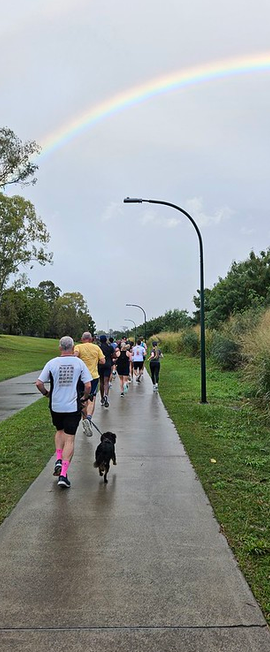
Kedron Parkrun Keeps the Saturday Rhythm With a Free Brookside 5k

Kedron parkrun gives locals a free 5k every Saturday morning. Kedron parkrun starts at 7am at North Brisbane Rugby Union Club, Kedron Park, 128 Shaw Road. It welcomes walkers, joggers, runners, volunteers and spectators. Everyone can join in at their own pace.


The event page lists 497 events, 20,879 finishers and 1,600 volunteers. It also records 137,794 finishes and 19,632 personal bests. The average finish time sits at 00:30:51. Those figures point to a steady community habit that has kept going week after week.

A flat out-and-back along the brook

The course is 5k long and uses a mix of concrete paths and grass. It begins about 200 metres from the intersection of Kedron Brook Greenway and Shaw Road. From there, runners head towards Kedron Football Club.

The route crosses a small bridge and follows Kedron Brook Greenway under the Gympie Road underpass. It then continues past Bradshaw Park and under the Thistle Street underpass. From there, participants reach Swinburne Street Park.

The turnaround point comes at 2.45km. The return leg follows the same path back to the finish. The course ends beside the North Brisbane Rugby Union Club and Fields. The route is mostly flat, with a few small rises.

Shared paths need shared courtesy

Kedron parkrun uses shared paths, so organisers ask participants to give way to other park users. The course page also reminds runners to watch for cyclists, pedestrians, children, dogs, wildlife and park maintenance work. Marshals may stand at key points, or signs may guide the way.

After rain, some sections may hold mud, leaves or puddles. That is worth remembering before you lace up. The course also asks runners to take care on uneven surfaces and near the Thistle Street underpass, where the path narrows slightly.

Parking is available on Shaw Road and nearby off-street areas. Eagle Junction Train Station is about 1.3km away on foot. Public toilets are available near Brisbane Beach Sports Complex and across Shaw Road in Shaw Park. Participants are asked to arrive by foot, bike or public transport where possible.

Photo Credit: Kedron Parkrun

Volunteers and barcode habits keep it simple

The event relies on volunteers each week. Kedron parkrun encourages people to help out, and its home page points to the volunteer page for more information. Children under 11 must stay within arm’s reach of a parent, guardian or appropriate adult.

There is one rule regulars know well. No barcode means no result. Participants need a scannable barcode to receive a time. Those without one can request a reminder email or reprint their barcode from past emails.


The weekly post-run coffee spot is Grid Espresso, 128-150 Shaw Rd, Wavell Heights. That finish-line ritual gives the morning a social edge. It also helps explain why Kedron parkrun remains more than a timed 5k.

Kedron parkrun is free, local and volunteer-run. Most of all, it gives Kedron a reliable Saturday habit that brings people back each week.

Published 9-October-2026

Kedron Hosts Get Ready Queensland Week Launch Ahead Of Disaster Season

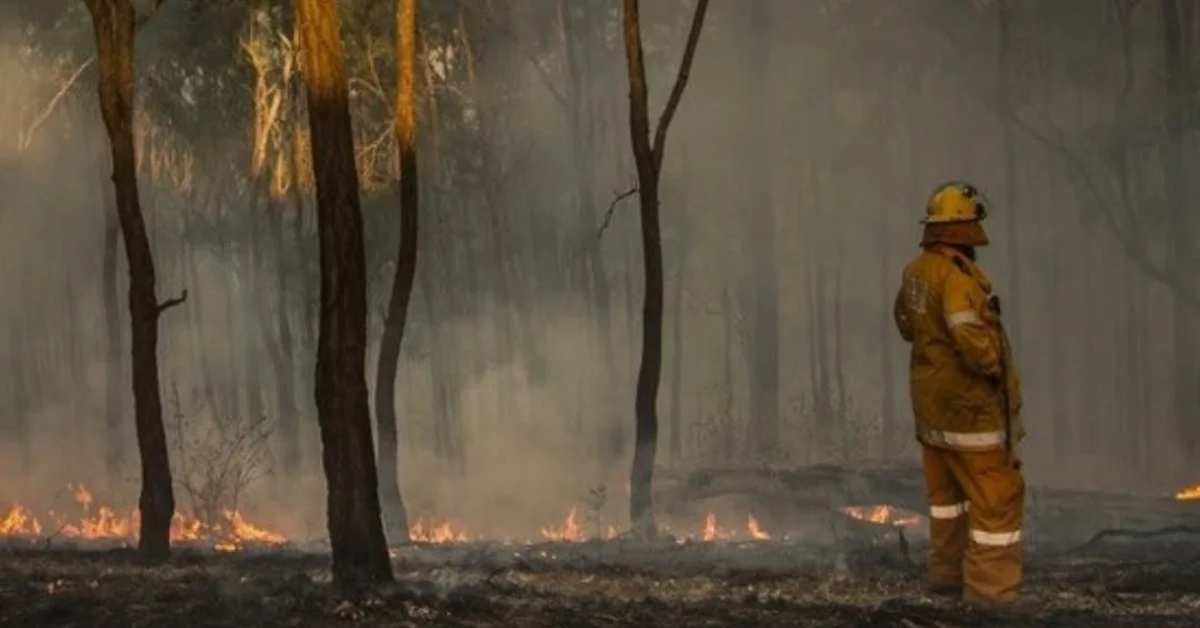
Get Ready Queensland Week has officially launched at Kedron’s State Disaster Coordination Centre, with Queenslanders being urged to prepare now for bushfires and the approaching severe weather season.


Read: Kedron Brook 20-Year Vision Sets Out Plans For A Healthier, More Resilient Waterway


The annual preparedness campaign was launched at the centre to showcase Queensland’s disaster response capability while encouraging households to take practical steps before an emergency occurs. This year’s campaign places a stronger focus on bushfire preparedness as Queensland enters a higher-risk period, while also looking ahead to the state’s broader disaster season.

Three Steps To Get Ready

The campaign is built around three key actions: know your risk, make a plan and pack a kit. Households are encouraged to understand the disaster risks that may affect them, create a severe weather emergency plan and prepare an emergency kit stocked for periods of isolation.

A severe weather emergency plan can help households know what to do and who to contact during a disaster. The campaign encourages Queenslanders to make these arrangements before severe weather affects their community.

The latest Get Ready Queensland guidance recommends checking emergency kits against a preparedness checklist, including sufficient food and water for at least five days. Households are also encouraged to keep supplies such as spare batteries, charged power banks, a battery-operated radio and important documents ready.

The new online Get Ready Queensland Checklist breaks severe weather preparation into small, achievable actions that people can tick off and build on over time. The campaign also encourages Queenslanders to understand the risks in their local area and take practical steps to prepare their households.

The timing of the campaign comes as Queensland approaches the peak period for several types of severe weather. Bureau of Meteorology Senior Meteorologist Laura Boekel said October to April is the peak period for storms, tropical cyclones and floods across the state.

Ms Boekel said eastern Australia has its highest risk of severe thunderstorms from October to December, including southern Queensland. Queensland typically experiences around three to four tropical cyclones each season, while hotter conditions can also increase the risk of heatwave conditions.

Preparing Homes And Families

Photo credit: Facebook/Get Ready Queensland

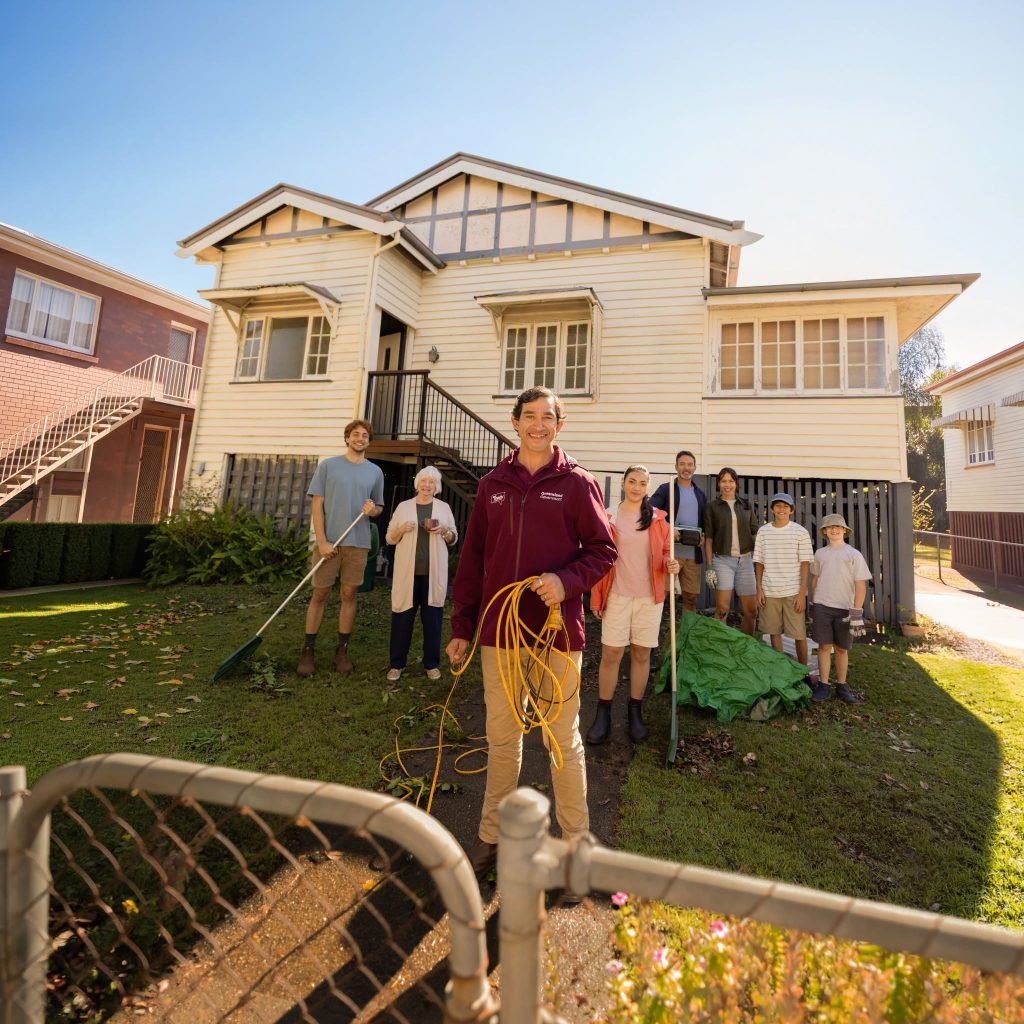
Households are also being encouraged to take practical steps around their properties. Queensland Fire Department Commissioner Steve Smith urged residents to understand their local risks, clean their gutters, clear excess vegetation and have a plan for what the household will do if disaster strikes.

The campaign is also being supported by Get Ready Queensland ambassador Johnathan Thurston, who features in the new Get Queensland Ready advertising campaign. Mr Thurston said the new campaign would help spread the message about the importance of preparation across Queensland, where disasters can affect communities differently.

The Kedron launch also highlighted Queensland’s disaster response capability and the importance of working together when communities are affected by severe weather. Queensland Reconstruction Authority CEO Major General Jake Ellwood said small steps taken before a disaster could make a significant difference when an emergency occurred.

“Severe weather can strike quickly and without warning,” Mr Ellwood said, encouraging Queenslanders to follow the three steps of knowing their risk, making a plan and packing an emergency kit.

Get Ready Queensland Week runs from October 5 to 11, giving residents an opportunity to review their disaster preparations and take practical steps ahead of the season. The campaign’s resources include information on preparing for severe weather, while Queensland Fire Department provides an online Bushfire Survival Plan that can be tailored to individual circumstances.

The official Get Ready Queensland Week program lists the Queensland launch at Kedron State Disaster Coordination Centre on Tuesday, October 6. The campaign is also supported by preparedness activities and events across Queensland during the week.


Read: Downfall Creek Project Changes a Familiar Stafford Heights Park


The launch at Kedron’s State Disaster Coordination Centre has put community preparation at the centre of the campaign. Checking emergency supplies, discussing a household plan and understanding local risks are among the practical steps residents can take now to be better prepared for the season ahead.

Published 7-October-2026

New Pedestrian Island Planned for Davenport Street in Kedron

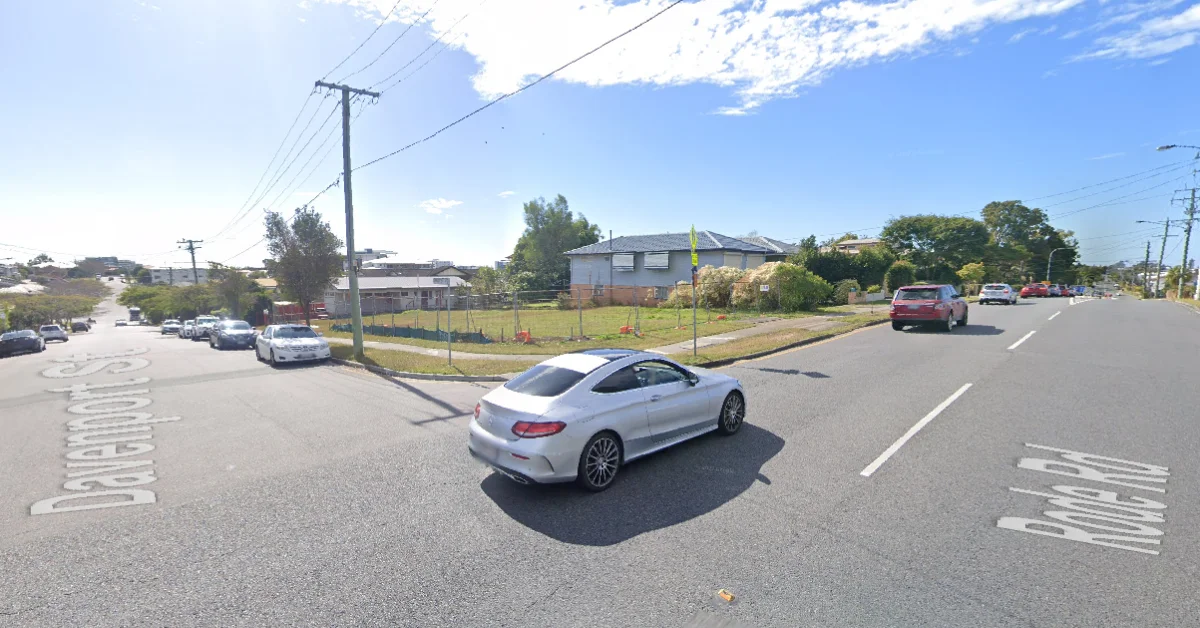
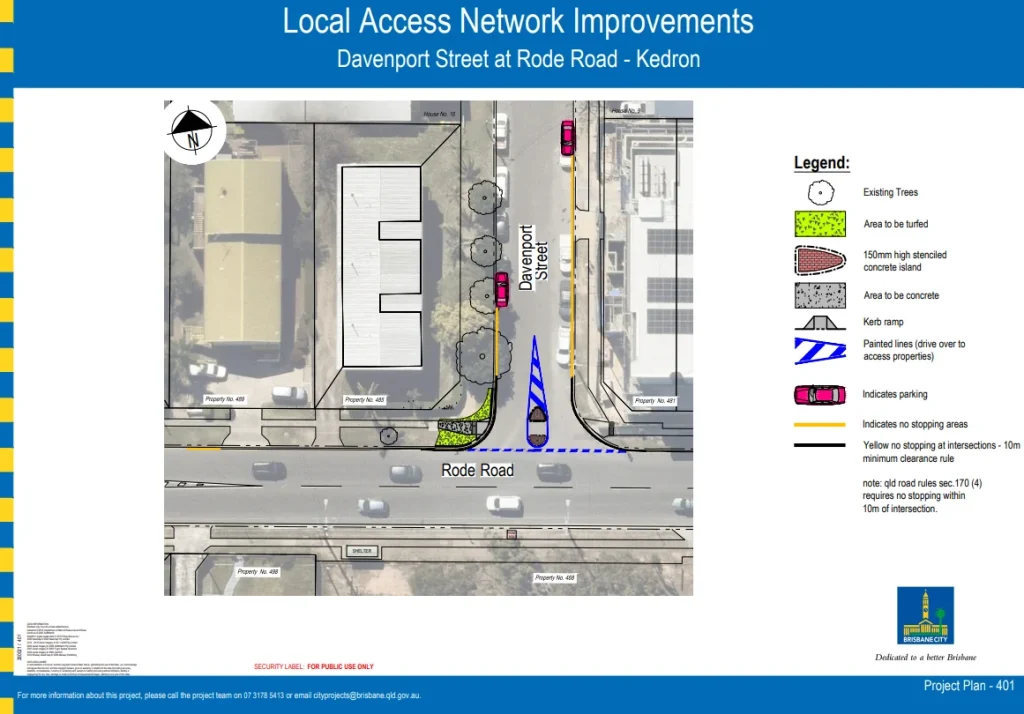
A new pedestrian island is planned for Davenport Street near Rode Road in Kedron, with changes to kerbside parking forming part of an upgrade aimed at making the intersection safer for people on foot.


The works will provide a more accessible crossing point along the residential street, close to bus services connecting surrounding suburbs and local schools. BCC expects construction to begin in late 2026.

A Safer Crossing Means Changes At The Kerb

The pedestrian island will be installed on Davenport Street, allowing people to cross the road more easily while giving approaching motorists a clearer view of pedestrians. Existing kerb ramps will also be upgraded to improve access between the road and footpaths. New line markings and landscaping, including turf installation, will complete the planned improvements.

One of the more noticeable changes will be the introduction of yellow no-stopping lines near the crossing. Sections of Davenport Street currently available for kerbside parking will become restricted areas, keeping parked vehicles away from the pedestrian island.

The restrictions are intended to address two concerns at once: ensuring pedestrians and drivers can see each other clearly, and leaving enough road space for vehicles to pass the new island safely. BCC has not specified how many parking spaces will be affected, although parking will be prohibited wherever the yellow markings are installed.

Davenport Street
Photo Credit: BCC

On The Doorstep Of School Bus Connections

Just off Davenport Street, Rode Road provides access to several school bus services linking Wavell State High School with neighbouring suburbs. Translink identifies a bus stop near the intersection, served by school routes 918, 973 and 986. The services connect Wavell State High School with destinations including Brookside, the Trouts Road area and Everton Park, with route 918 also travelling via Padua College.

The nearby stop places the planned pedestrian improvements alongside an established school transport route. People walking between Davenport Street and Rode Road will have a new crossing island on the residential street, along with upgraded kerb access.

Improving visibility is a central part of the design, particularly where vehicles approach the crossing and parked cars could obstruct sightlines. The changes are also intended to encourage motorists to travel at safer speeds through the intersection.


Davenport Street at Rode Road was included in BCC’s 2025–26 local works program, with the planned upgrade now approaching its anticipated construction period. The project forms part of the Local Access Network Improvements program, which covers smaller road and pedestrian accessibility upgrades across Brisbane. Construction is anticipated to begin in late 2026, although an exact date has not been announced. Details of the proposed works are available through BCC’s project team on 07 3178 5413.

Published 6-October-2026

Kedron’s Forgotten Quarry and its 100-Year-Old Crusher

A surviving wooden stone crusher at a former quarry site in Kedron offers a glimpse into an earlier chapter of the suburb’s history.


Read: Street Spotlight: Turner Rd, Kedron


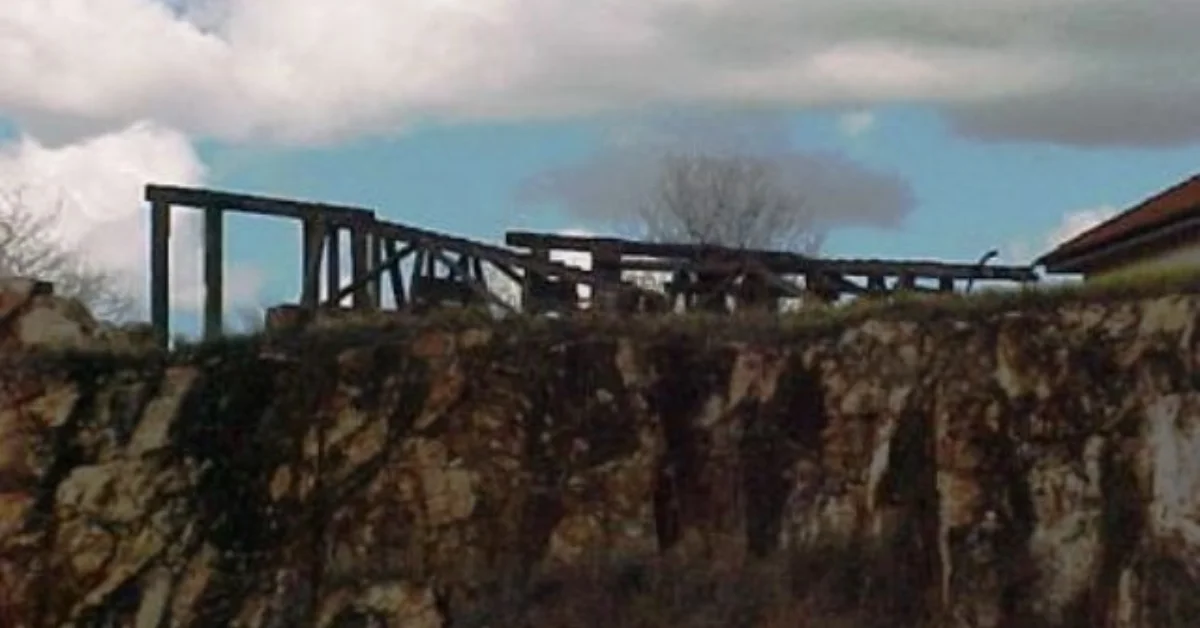
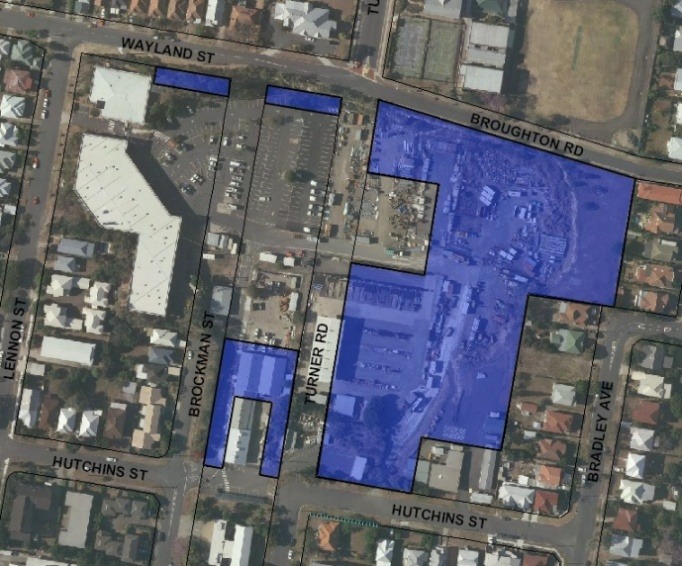
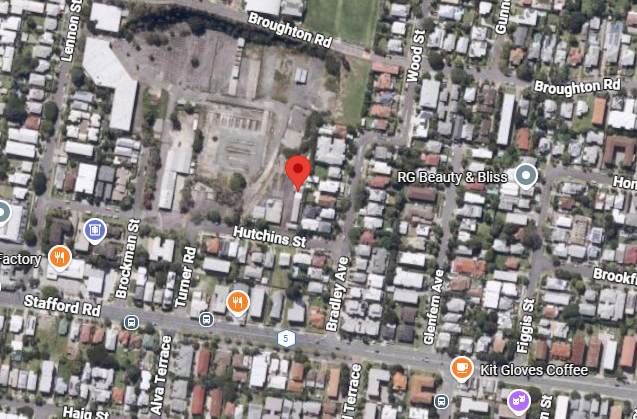
At 41 Turner Road, the former Kedron Shire Quarry is recognised as a local heritage place. The site retains a quarried rock face and the Ruwolt jaw crusher, a wooden stone crusher installed in 1926 after the quarry passed to Brisbane City Council following the amalgamation of local councils in 1925.

Photo credit: BCC

The quarry had been operating from the 1910s, when the area was still developing beyond the suburban landscape familiar to residents today. Heritage records say local residents recalled the quarry being operated by Kedron Shire, with accidents and the installation of equipment reported in local newspapers from 1913.

The quarry produced Brisbane Tuff, also known as Porphyry in the quarry and stonemasons’ trade. The unusual welded volcanic rock occurs along a relatively narrow geological belt running through Brisbane, with historic quarries developed at several locations along the outcrop.

The stone had practical uses across the city. Brisbane Tuff was commonly used as rough-dressed stone in early buildings, including ashlar work, base courses, retaining walls, side walls and cellars. It was also extensively used for roadmaking, kerbing, wharves and marine walls.

Photo credit: Google Maps=

The heritage record identifies the former quarry as having produced purple and white welded tuff for building stone before becoming a source of crushed rock for road pavement gravels and retaining walls. The site’s connection to construction and roadmaking is reflected in its heritage significance.

Quarrying was physical work. Heritage records say the rock was blasted away and then smashed with sledge hammers. The quarry was later extended to two levels, with one level reportedly filling with water and being used by local residents as a swimming hole on weekends.

The Ruwolt crusher was installed in 1926, but it was not immediately put into operation. A 1928 report cited in the heritage record said the crusher had been delivered in August 1926 but had still not turned a wheel 18 months later.

The quarry eventually closed in 1963 after its supplies of tuff were exhausted. By then, residential settlement had moved closer to the site, with blasting, flying rock, dust from conveyor belts, rock crushing and truck movements affecting nearby residents.

The heritage listing states that the site accommodates a Brisbane City Works Depot. The remaining quarry face and wooden crusher are identified as rare elements of Brisbane’s cultural heritage, while the rock face is recognised as a distinctive landmark in the district.


Read: Kedron School Precinct Plan Still In Design Beyond Expected Release


The place has been listed as a local heritage place since 1 July 2003 under historical, rarity, aesthetic and social criteria. Its survival provides a tangible link to the construction and roadmaking activities that helped shape Brisbane.

Published 5-October-2026

Kedron State School Marks 100 Years at the Heart of a Changing Suburb

Kedron State School has reached its centenary, marking 100 years since a growing northern Brisbane community gained a primary school as housing estates and tram connections reshaped the suburb.


The school was officially opened in October 1926 and classes began on Monday, 4 October, with 216 pupils.

Kedron was growing fast

Kedron was changing rapidly during the 1920s. Land once used for farms and larger properties was being divided into residential estates as Brisbane expanded north.

Tram access helped drive the shift. The line had reached Kedron Brook in 1913, with the Gympie Road service extended to Lutwyche Cemetery in 1925. The extension opened more of Kedron to residential subdivision at a time when private car ownership remained relatively low and trams were an important form of transport.

Photo Credit: Heritage BCC

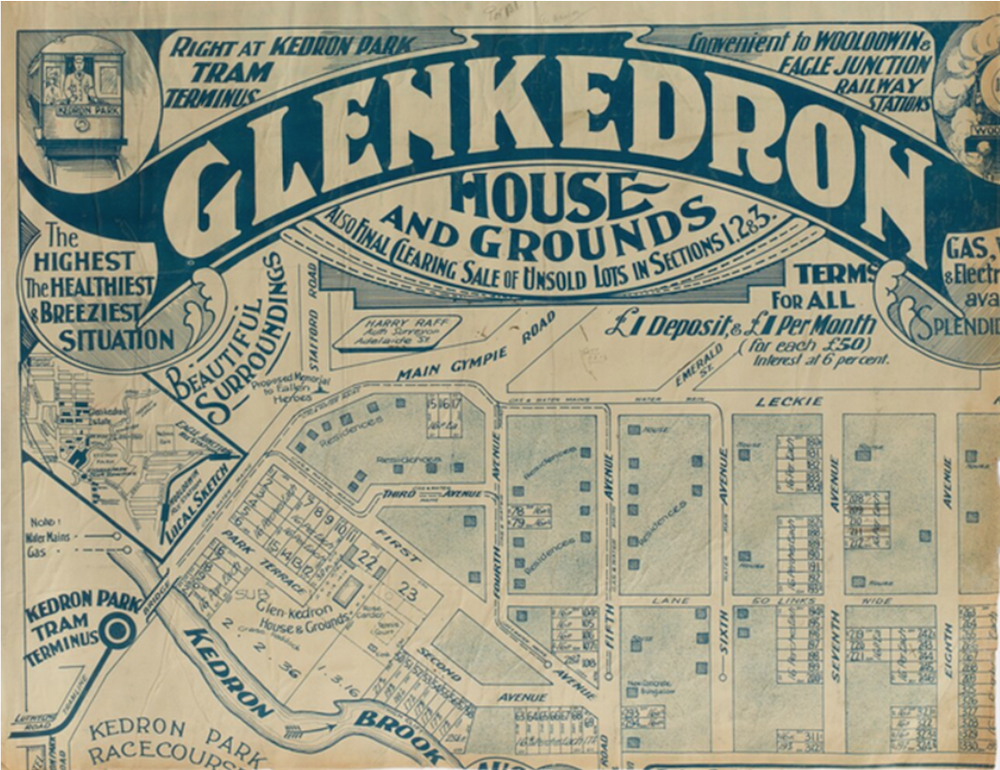
Housing estates were already spreading east of Leckie Road. The first section of the Glen Kedron Estate offered 246 allotments in 1917, with further sections released in the following years. Advertising promoted tram access and services such as water and gas to prospective buyers.

By the mid-1920s, community facilities were following the new homes. A Methodist church opened at Ninth Avenue and Leckie Road in February 1926, while shops and other services developed through the avenues.

Residents pressed for a school

Population growth brought demand for a local primary school, and heritage records show Kedron residents lobbied the Department of Public Instruction for one.

Land between Ninth and Tenth Avenues was purchased for the school site on 26 August 1924. Approval for construction came on 3 July 1925, with the school subsequently built by the government Works Department.

Heritage documentation identifies the school’s establishment as part of Kedron’s interwar growth, when residential development was accelerating across Brisbane’s northern suburbs. 

Photo Credit: State Library of QLD

The first pupils arrive

James Lennon was appointed headmaster in July 1926, several months before pupils entered the school. On 1 October, 171 children arrived to enrol. When lessons began on 4 October, enrolment had risen to 216 pupils. Historical records identify Florence Hawkins, Ruth Pilkington, Roy Bayliss and Marcella Fitzgerald among the school’s first teaching staff alongside Lennon.

The school joined a growing collection of local institutions as the suburb developed. Kedron’s School of Arts followed in 1928, with further educational and community facilities established in later years.

Old Kedron remains visible

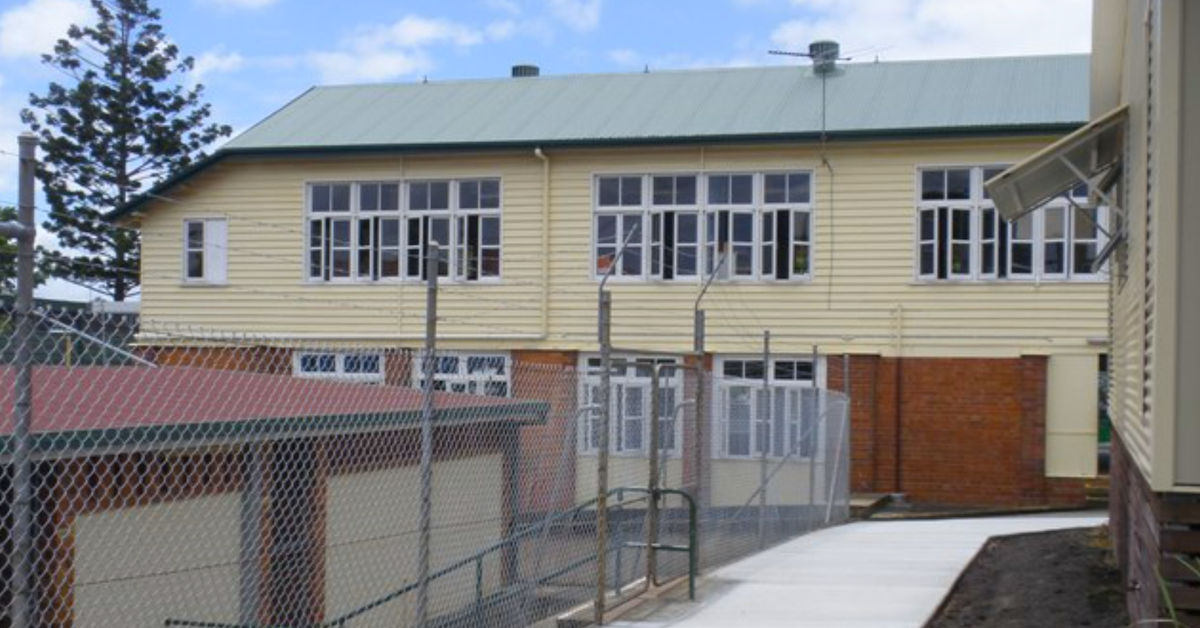
Parts of the early school still survive. Blocks B and C at the Ninth Avenue campus are recognised as local heritage places, reflecting both Kedron’s interwar development and the school’s long association with the community.


Estate maps from the period also show how larger holdings were broken into residential allotments as developers promoted the district to new homebuyers. Kedron later developed into a mix of interwar and early postwar housing, while Gympie Road became an established shopping strip serving the growing suburb. 

A school still tied to Kedron

Kedron State School remains on Ninth Avenue and teaches children from Prep to Year 6. Its long-held motto, “By Industry We Prosper,” remains in use. Current enrolment arrangements give priority to families living within the school’s catchment, with out-of-catchment places dependent on enrolment numbers and capacity. 

Published 2-Oct-2026

New Classrooms and Gym Planned for Padua College’s Kedron Campus

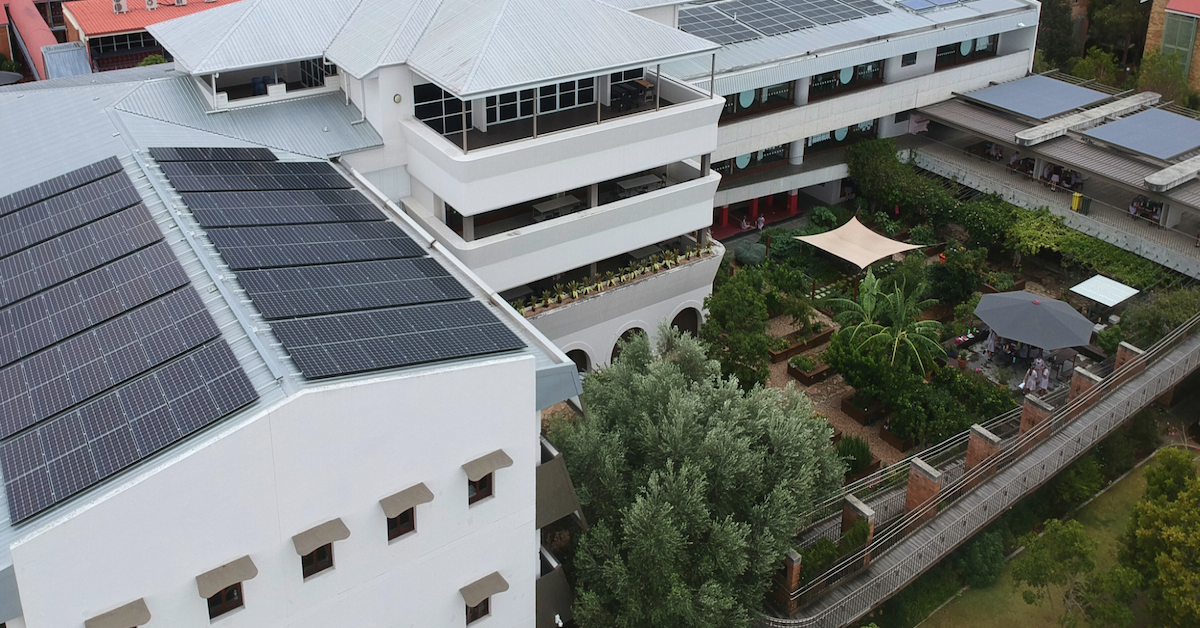
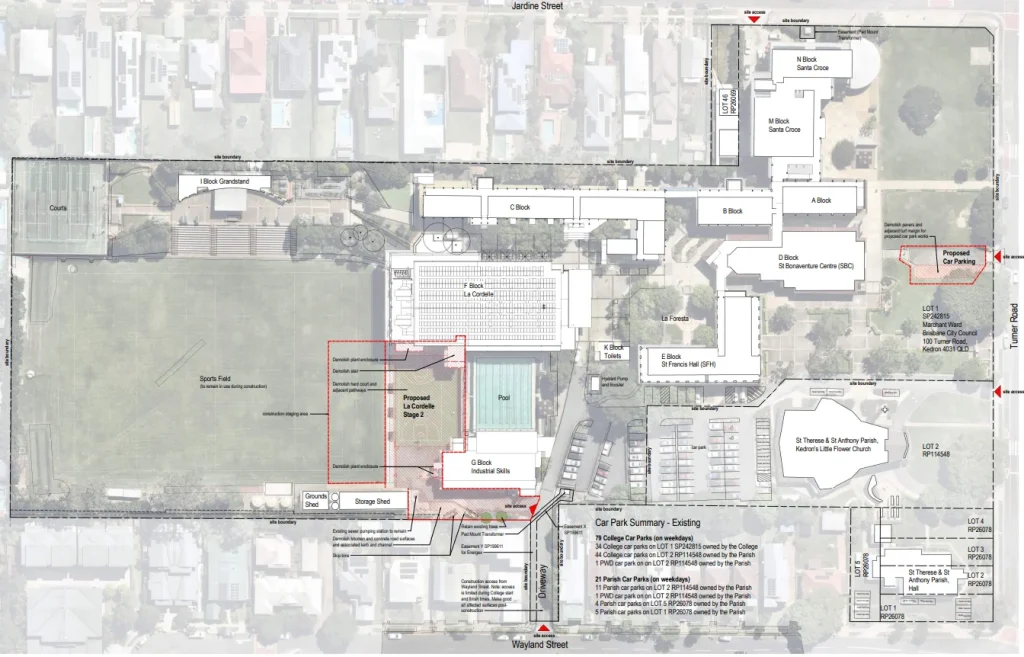
Padua College is planning the next stage of its La Cordelle redevelopment, with a three-level extension proposed to add more learning and sporting space at its Kedron campus.


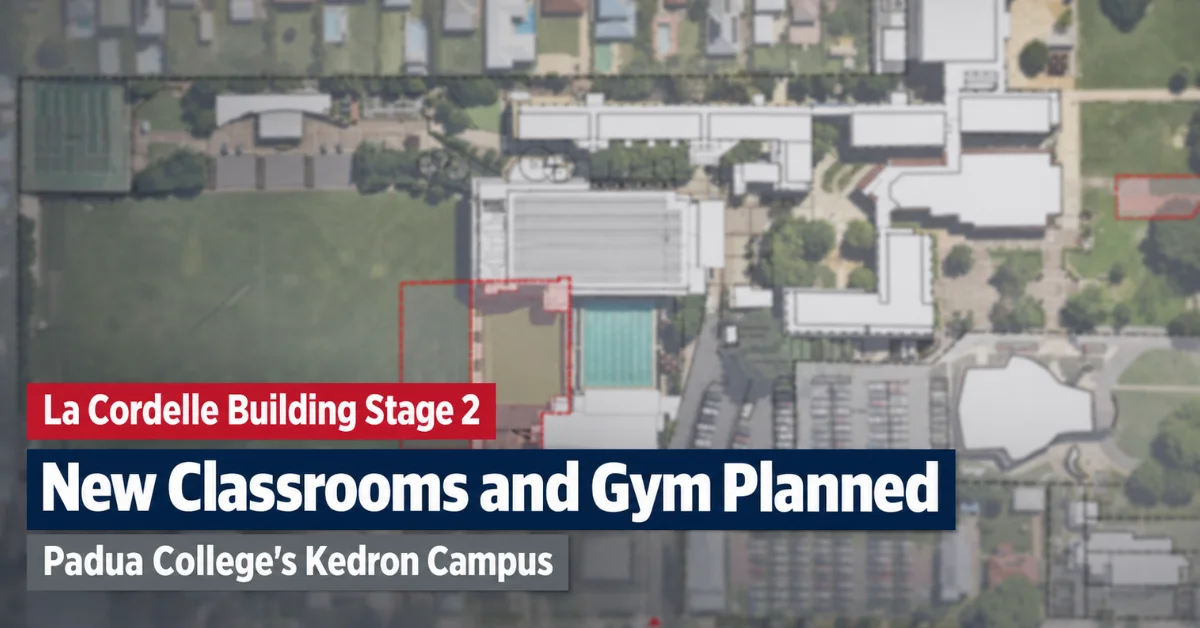
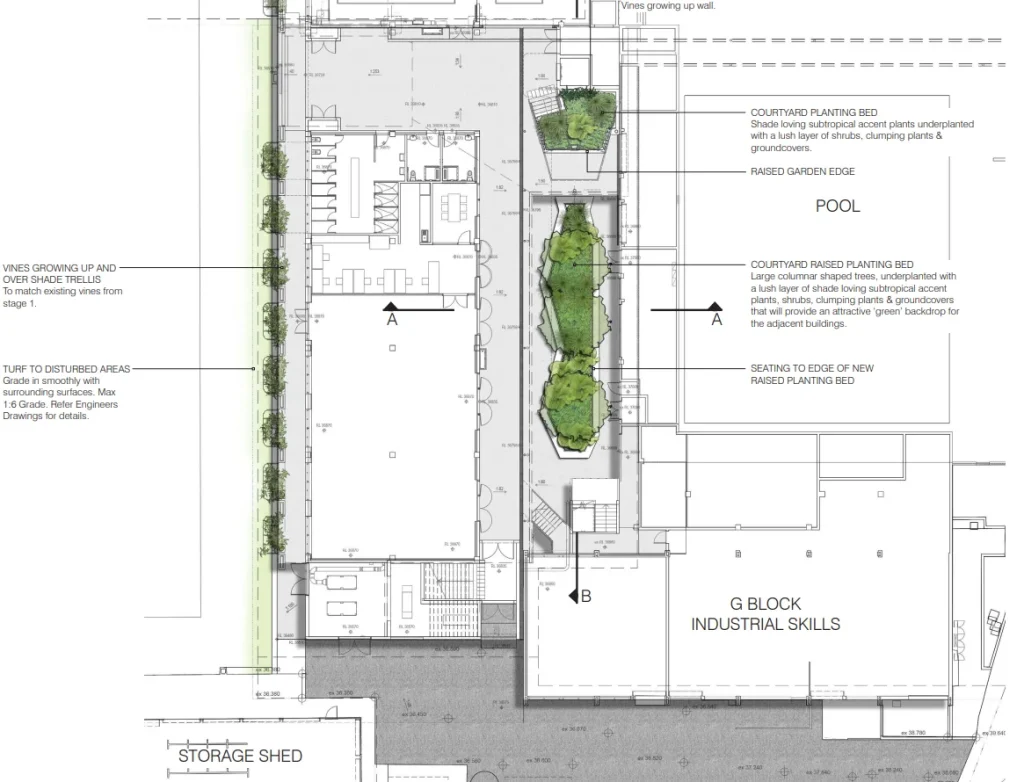
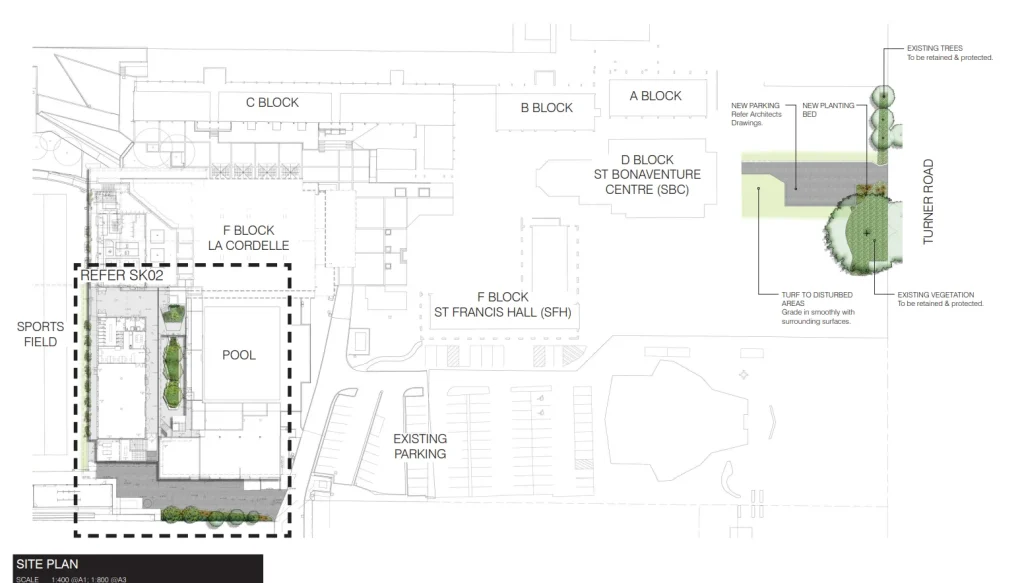
The Stage 2 plans would expand the existing La Cordelle Building at the college’s Assisi Campus, building on the first stage completed last year. New classrooms, multi-purpose rooms and sporting facilities form the centre of the proposal, alongside covered outdoor areas and supporting campus infrastructure.

Photo Credit: DA/A007059398

BCC records show Padua College Limited submitted the application on 2 July 2026, with Planning Initiatives listed as consultant. The proposal covers an extension to the existing educational establishment at 100 Turner Road.

Brisbane school
Photo Credit: DA/A007059398

More Room For Learning And Sport

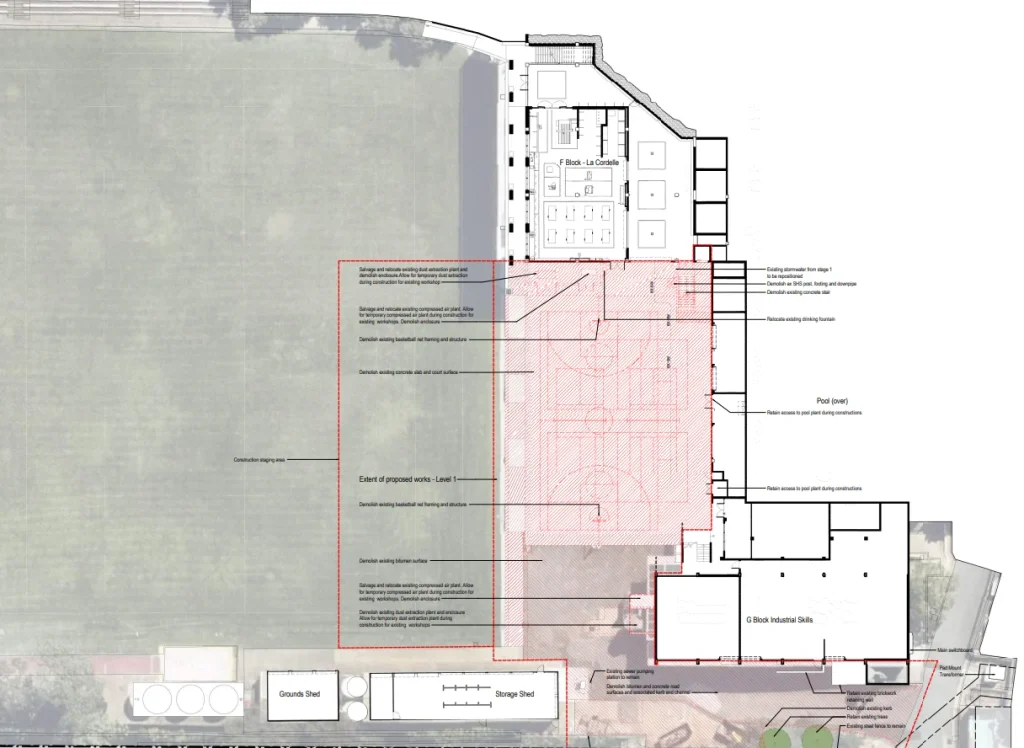
The proposed extension would sit immediately west of the existing La Cordelle Building, over the site of a basketball court. Plans include a gymnasium, sports office, change rooms, amenities and a covered outdoor area on the lower level. Five general learning areas are proposed above, while the upper floor would contain two multi-purpose rooms and a kitchenette.

The building would rise to about 15 metres and would also include circulation areas, plant infrastructure, landscaping and six additional car spaces. Padua College has put forward the extension for its existing student population rather than as part of an increase of 100 student places. The former Franciscan Friary and the heritage fence are not proposed for demolition under the current plans.

La Cordelle Building
Photo Credit: DA/A007059398

The new stage follows the earlier La Cordelle works, which had been under construction for just over 12 months by July 2025. At that point, Padua College was preparing to open new construction workshops, design classrooms, clean technology spaces and a covered outdoor area for students.

The first stage also expanded the college hall by 50 per cent and added air-conditioning. Padua College said the upgraded learning areas would support courses including ATAR Engineering for Year 11 students from 2026.

Padua College
Photo Credit: DA/A007059398

Stage 2 Moves Through Assessment

The current proposal remains under assessment, with BCC listing application A007059398 as in progress. The application became properly made on 16 July 2026, and BCC issued an information request on 6 August. No decision notice has yet been recorded.


Council lists 16 Jardine Street and 31 Wayland Street as associated properties alongside the main Turner Road site. If approved, Stage 2 would continue the recent expansion of La Cordelle with a mix of general learning, multi-purpose and sporting spaces brought together in one new three-level addition to the Kedron campus.

Updated 29-September-2026