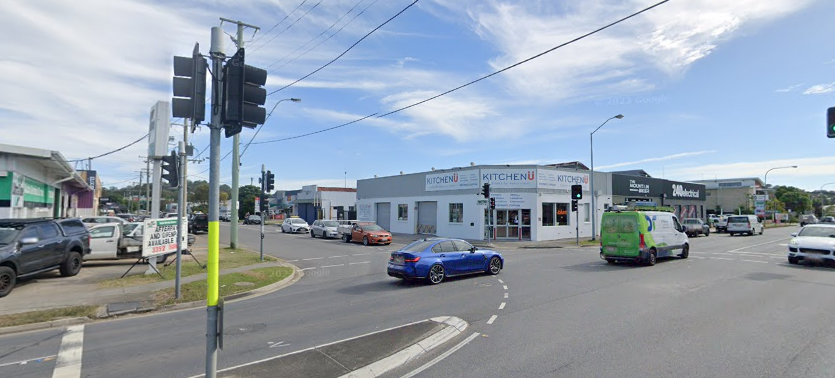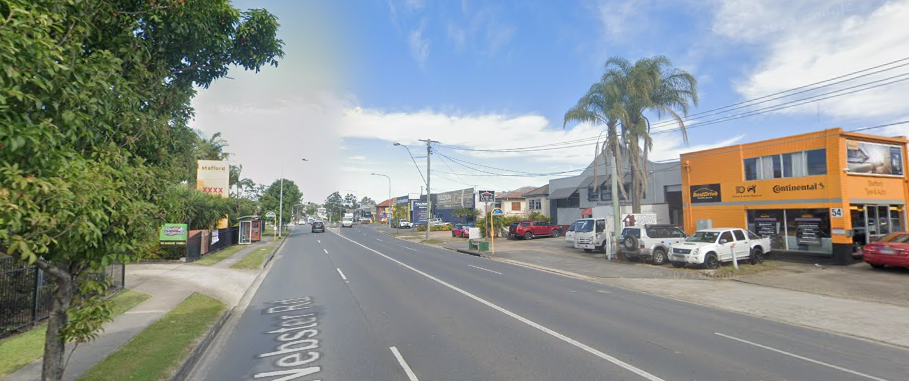



Kedron-based swimming pool contractor Swim Quote Australia, trading as Vasa Pool Designs, has entered liquidation after the Australian Taxation Office (ATO) applied for a winding-up order in November.
The move follows mounting complaints from customers and contractors regarding unpaid debts and project issues.
The company had its Queensland Building and Construction Commission (QBCC) licence cancelled after receiving 10 infringement notices, resulting in fines of more than $20,000. Allegations against the business include claims of unpaid deposits and compensation owed to clients and contractors.
Court records reveal that in 2021, plumbing supplier Reece Australia took legal action against the company over an unpaid debt of $20,500. Separately, a customer who wished to remain anonymous reported that his pool had serious drainage problems, failing to meet engineering standards. Fixing the issues cost the customer over $30,000, and attempts to contact the company director via QBCC for resolution reportedly went unanswered.
The customer expressed worry that the Kedron-based pool contractor might restart their business under a new name or licence, raising concerns about the potential for further issues.
Feedback on the company has been mixed, with some reviews acknowledging the quality of pool components and praising the contracted installers. However, others criticised the company’s lack of communication and perceived disorganisation.
“The finished pool and its components are of a very high standard (pool shell; coping tiles; pool pump and filters etc), so big ticks for quality components. The actual pool installers who were contracted to install the pool shell (Jamie and Shawn from Complex Pools) were also fantastic,” one customer wrote in their review of the company.
“However, we experienced numerous issues with our build going forward from the initial dig and install of the pool shell, primarily due to a lack of communication between our pool sales representative, the construction manager, the site supervisor and the director,” the customer further stated.
An ATO spokesperson declined to comment on the matter, citing confidentiality laws regarding individual and corporate tax affairs.
Jemma Goos from Gordon Park organised the campaign for her friend Miriam Gard, who was diagnosed with breast cancer. She has gone through extensive treatments, including chemotherapy, a lumpectomy, a double mastectomy, and the discovery of the BRCA1 gene, which increases her risk of cancer.
After overcoming breast cancer, Miriam, with the support of her husband, Dave, built the family they always dreamed of: three beautiful children—Genevieve, now 10, Christian, 7, and Nicholas, 5.
In September 2023, as a precaution, Miriam chose to undergo a hysterectomy to reduce her risk of cancer later in life. However, just 11 months later, in August 2024, she began to experience bloating. At first, she dismissed it, assuming it was just a normal issue many women face. But after visiting her doctor and undergoing tests in October 2024, the devastating news arrived: she had 3C advanced ovarian cancer.
“This diagnosis has completely changed her family’s life. Due to the aggressive nature of ovarian cancer, Miriam now faces intensive chemotherapy treatments, and a major surgery scheduled for January,” Ms Goos shared.
As the costs associated with scans, oncology appointments, medications, and treatments continue to add up, Miriam and Dave are struggling to keep up with the financial burden.
Miriam, exhausted from the chemotherapy and emotionally drained by her diagnosis, is doing everything she can to stay strong for her children. Despite the challenging circumstances, she and Dave are determined to create as normal a life as possible for their kids, especially during the holiday season. However, the weight of this illness has taken its toll.
This is where the fundraiser comes in. The community is rallying behind Miriam and her family, hoping to ease the financial strain so that Miriam can focus on her treatment and, most importantly, spend time with her children. Every dollar donated will make a real and tangible difference in helping them through this dark time.
“Advanced ovarian cancer is known for having a low survival rate, with only 29% of women diagnosed with advanced-stage ovarian cancer surviving more than five years. On top of that, because of the genetic mutation Miriam carries (the BRCA1 gene), she faces an 80% chance of relapse within three years,” Ms Goos wrote.
“This is why every bit of support is so vital—not only for helping them get through this holiday season but for ensuring that Miriam has the time, resources, and care to fight this battle with all her strength.”
There are several ways people can help. Donations of any amount are deeply appreciated, as they will help ease the financial burden on Miriam’s family. Sharing the GoFundMe campaign with others will also expand the reach of this fundraiser, increasing the support Miriam can receive. Additionally, even if one cannot donate financially, prayers and positive thoughts are just as impactful.
Ms Goos shared Miriam and Dave are incredibly grateful for the love, strength, and support they have already received. They also thanked everyone who took the time to read their story and for being part of their journey.
St Clair Street in Kedron tells a compelling story of Brisbane’s suburban evolution and community stability. While aerial photographs from 1936 show the area was yet to be developed, with only Batten Street extending from Kitchener Road, the street has since transformed into a tight-knit residential enclave.
Today, with an impressive 90% owner-occupancy rate and residents staying an average of nearly 14 years, St Clair Street exemplifies Kedron’s appeal as a family-focused neighborhood. Property records trace this transformation, with homes like number 15 changing hands for $55,660 in March 1987 – a figure that reflects how far the suburb has come in its journey from undeveloped land to an established, sought-after pocket where 61% of residents have called the street home for more than a decade.
St Clair St, Kedron Residents
NUMBER OF PROPERTIES: 26 % OF OWNER OCCUPIERS ON STREET: 90% AVERAGE TIME FOR OWNER OCCUPIERS: 13 years, 11 months % OF PEOPLE 10+ YEARS: 61%
St Clair St, Kedron – As It Looked in 1936
Kilburn St, Chermside in 1936
SOME RECENT SALES ON ST CLAIR ST, KEDRON
Property Address
Sale Price
Sale Date
17 Saint Clair Street, Kedron
$1,085,000
Sep 2024
14 Saint Clair Street, Kedron
$2,035,000
Aug 2024
21 Saint Clair Street, Kedron
$1,565,000
Jan 2024
SOME TYPICAL PROPERTY SALES ON ST CLAIR ST FROM YESTERYEAR
Property Address
Sale Price
Sale Date
15 Saint Clair Street, Kedron
$55,600
Mar 1987
3 Saint Clair Street, Kedron
$175,000
May 2000
SUBURB PROFILE
The median price of a 2 Bedroom House in Kedron in 2024 was $1,085,000 The median price of a 2 Bedroom House in Kedron in 2020 was $630,000 TYPICAL INCREASE OF A 2-BEDROOM HOUSE IN KEDRON SINCE 2020 : $455,000
The median price of a 3 Bedroom House in Kedron in 2024 was $1,200,000 The median price of a 3 Bedroom House in Kedron in 2020 was $719,000 TYPICAL INCREASE OF A 3 BEDROOM HOUSE IN KEDRON SINCE 2020 : $481,000
The median price of a 4 Bedroom House in Kedron in 2024 was $1,443,000 The median price of a 4 Bedroom House in Kedron in 2020 was $850,000 TYPICAL INCREASE OF A 4 BEDROOM HOUSE IN KEDRON SINCE 2020 : $593,000
The median price of a 5 Bedroom House in Kedron in 2024 was $2,035,000 The median price of a 5 Bedroom House in Kedron in 2020 was $1,287,000 TYPICAL INCREASE OF A 4 BEDROOM HOUSE IN KEDRON SINCE 2020 : $748,000
The median price of a 2 Bedroom Unit in Kedron in 2024 was $579,000 The median price of a 2 Bedroom Unit in Kedron in 2020 was $333,000 TYPICAL INCREASE OF A 2 BEDROOM UNIT IN KEDRON SINCE 2020 : $246,000
The median price of a 3 Bedroom Unit in Kedron in 2024 was $765,000 The median price of a 3 Bedroom Unit in Kedron in 2020 was $535,000 TYPICAL INCREASE OF A 3 BEDROOM UNIT IN KEDRON SINCE 2020 : $230,000
Located at 488 Lutwyche Road, Contro Wellness provides services designed to help people relax and rejuvenate in their own space. This Mediterranean-inspired facility is just 13 minutes north of Brisbane’s city centre, making it a convenient option for those seeking a quick escape from the hustle and bustle of city life.
It offers a wide range of treatments to suit individual needs. The bathhouse has traditional and infrared saunas for those seeking traditional heat therapy. Infrared saunas use light to heat the body directly, which some believe promotes deeper relaxation and improved circulation.
The facility also offers contrast therapy, in which clients alternate between a sauna’s heat and an ice bath’s cold. This practice is said to stimulate circulation and reduce inflammation.
Contro Wellness also provides float therapy in open tanks and pods if you want something different. Float therapy involves floating weightlessly in a sensory deprivation environment, which can help reduce stress and improve mental clarity.
Other services include mineral soaks, steam rooms, red light, and massage therapy. Mineral soaks are designed to detoxify the body and improve skin health, while red light therapy is believed to enhance healing and stimulate regeneration.
It aims to make wellness accessible to everyone, with sessions starting at just $45. The bathhouse also offers discounts for those who bring a friend or purchase a multi-pack of sessions. All necessary amenities, such as towels, robes, and slippers, are provided. Clients are encouraged to bring comfortable clothing after their session; swimwear is optional for float therapy.
Dorrigo Street in Kedron stands as a testament to Brisbane’s evolving suburban landscape, transforming from undeveloped land in 1936 to a close-knit residential community. Historical aerial imagery from 1936 reveals that while Turner Road and Scott Street were already taking shape, Dorrigo Street was yet to emerge from the growing neighborhood.
The street’s strong sense of community is evident in its impressive 80% owner-occupier rate, with residents choosing to call Dorrigo Street home for an average of 17 years and 3 months. This dedication to the area is further highlighted by the fact that 67% of residents have lived there for over a decade. Property records provide fascinating insights into the area’s growth, with one notable example being 96 Dorrigo Street, which changed hands for $105,000 in August 1991 – a figure that reflects just how far the suburb’s property values have come.
Dorrigo St, Kedron Residents
NUMBER OF PROPERTIES: 17 % OF OWNER OCCUPIERS ON STREET: 80% AVERAGE TIME FOR OWNER OCCUPIERS: 17 years, 3 months % OF PEOPLE 10+ YEARS: 67%
Dorrigo St, Kedron – As It Looked in 1936
Dorrigo St, Kedron in 1936
SOME TYPICAL PROPERTY SALES ON DORRIGO ST FROM YESTERYEAR
Property Address
Sale Price
Sale Date
96 Dorrigo Street, Kedron
$105,000
Aug 1991
88 Dorrigo Street, Kedron
$110,500
Feb 1995
90 Dorrigo Street, Kedron
$128,717
Jun 1997
SUBURB PROFILE
The median price of a 2 Bedroom House in Kedron in 2024 was $1,085,000 The median price of a 2 Bedroom House in Kedron in 2020 was $630,000 TYPICAL INCREASE OF A 2-BEDROOM HOUSE IN KEDRON SINCE 2020 : $455,000
The median price of a 3 Bedroom House in Kedron in 2024 was $1,200,000 The median price of a 3 Bedroom House in Kedron in 2020 was $719,000 TYPICAL INCREASE OF A 3 BEDROOM HOUSE IN KEDRON SINCE 2020 : $481,000
The median price of a 4 Bedroom House in Kedron in 2024 was $1,443,000 The median price of a 4 Bedroom House in Kedron in 2020 was $850,000 TYPICAL INCREASE OF A 4 BEDROOM HOUSE IN KEDRON SINCE 2020 : $593,000
The median price of a 5 Bedroom House in Kedron in 2024 was $2,035,000 The median price of a 5 Bedroom House in Kedron in 2020 was $1,287,000 TYPICAL INCREASE OF A 4 BEDROOM HOUSE IN KEDRON SINCE 2020 : $748,000
The median price of a 2 Bedroom Unit in Kedron in 2024 was $579,000 The median price of a 2 Bedroom Unit in Kedron in 2020 was $333,000 TYPICAL INCREASE OF A 2 BEDROOM UNIT IN KEDRON SINCE 2020 : $246,000
The median price of a 3 Bedroom Unit in Kedron in 2024 was $765,000 The median price of a 3 Bedroom Unit in Kedron in 2020 was $535,000 TYPICAL INCREASE OF A 3 BEDROOM UNIT IN KEDRON SINCE 2020 : $230,000
St Carthage’s School in Gordon Park stands as a testament to time, weaving a rich tapestry of history, faith, and community spirit. Constructed in 1929, this enduring establishment has long served the dual role of church and school, playing a pivotal part in shaping the suburb’s identity.
Brisbane’s Catholic community was fast growing in the vibrant late 1920s. With his great foresight, Archbishop James Duhig saw Gordon Park needed a new parish.
His announcement of St Carthage’s came as a surprise to many locals, who questioned whether the burgeoning suburb could sustain such an ambitious project.
The first priest of the parish, Father John McCarthy took the lead and the construction started quickly. The foundation stone was laid by July 1929, and by November the elegant Georgian Revival building, designed by architect J.P. Donoghue, stood ready.
This two-storey brick structure, with its school on the ground floor and church above, became a symbol of hope and resilience.
Photo Caption: St Carthage’s Catholic Church (the building that the school was within), 1998 Photo Credit: Brisbane Wiki
Architectural and Cultural Significance
St Carthage’s School quickly emerged as a hub for education and worship. The Sisters of Mercy, travelling daily from Wooloowin’s Holy Cross Convent, ran the school, which opened in July 1930 with just 29 students. By year’s end, enrolments had swelled to 79, reflecting the community’s growing trust and reliance on the institution.
Photo Caption: Newspaper clippings capturing St Carthage’s School students proudly receiving awards for their achievements. Photo Credit: Brendan Sammon/Facebook
During the challenging years of the Great Depression, unemployed parish men levelled the rugged school grounds, transforming them into a communal space of unity and purpose. For many families, the school provided not just education but also a sanctuary of stability and spiritual growth.
Deeply resonant with the Catholic community, the building itself, a classic example of Georgian Revival architecture, radiated permanency and tradition with its symmetrical design, terracotta tile roofing, and face brick walls.
St Carthage evolved over the years from a mere educational institution to a cultural pulse. The school strengthened the ties between the parish and the larger community by organising events including concerts, fundraisers, and community meetings.
A new church and presbytery were constructed by the 1960s to serve the growing congregation, so enabling the school to widen its educational emphasis.
Photo Caption: St Carthage School fete (1975) Photo Credit: Kg Boggy/Facebook
However, by the 1970s, demographic shifts led to a decline in student numbers. Suburban sprawl and changes in population density meant fewer local enrolments.
In 1975, the appointment of a lay principal marked broader changes in Catholic education across Brisbane. Despite the dedicated efforts of staff and community, financial constraints and low enrolment led to the school’s closure in 1976.
Photo Caption: Former students of St Carthage’s School (1970) Photo Credit: Greg Kelly/Facebook
Community Sentiment and Preservation Efforts
The end of St Carthage’s as a school did not diminish its role within the community. The building found new life as a youth centre, hosting social events and indoor sports. Former students and parishioners fondly remember the friendships forged and the invaluable lessons learned within its walls.
In recent years, local heritage organisations have championed the preservation of St Carthage’s, focusing on maintaining its structure and repurposing it for community use. Residents remain passionate advocates for its conservation, ensuring it remains a cherished landmark in Gordon Park.
St Carthage is still a lighthouse of history and community spirit even though it is no longer a school. Its legacy lasts, safeguarded and appreciated by those who see its importance. St Carthage’s future resides in constant preservation and adaptive reuse, so guaranteeing that its story will inspire next generations.
William “Billy” Sing, one of Australia’s most celebrated ANZAC snipers during World War I, rests in Lutwyche Cemetery. His incredible bravery and skill on the battlefield have made his life a fascinating chapter in the nation’s history. Let’s take a moment to look back at the life of an extraordinary Australian hero whose remarkable story is etched into the history of Brisbane.
Born in 1886 to a Chinese father and English mother, Billy grew up in rural Queensland, learning to ride horses and shoot with remarkable skill. Life in the countryside was challenging, and from an early age, Billy assisted his parents with their market garden and milk delivery business.
Photo credit: Australian War Memorial/ awm.gov.au
When war broke out in 1914, he enlisted in the 5th Light Horse Regiment. Retired Major General Darryl Low Choy, patron of the Australian Chinese Ex-Servicemen’s National Reunion, noted that during a predominantly white Anglo-Saxon era, First World War regulations required servicemen to be of substantial European descent. Despite this, Billy Sing enlisted, fully aware his half-Chinese heritage might bar him. However, once in the Army, his origins no longer mattered.
Soldiers of the 5th Light Horse Regiment, Queensland, ca 1915 Photo credit: State Library of Queensland
He soon earned a fearsome reputation at Gallipoli. Nicknamed “The Assassin,” Billy was credited with over 200 confirmed kills, a feat that garnered him fame across Australia and the world. His incredible marksmanship protected countless lives during the brutal campaign.
Warfare on the Western Front differed greatly from that at Gallipoli, and it’s unlikely that Billy spent much time on the battlefield as a sniper. Even so, his expertise remained valuable. In 1917, he was nominated—though not awarded—the Military Medal for leading an anti-sniper fighting patrol at Polygon Wood in Belgium.
Photo credit: Australian War Memorial/ awm.gov.au
Billy’s contributions earned him numerous awards, including the Distinguished Conduct Medal and the Belgian Croix de Guerre. But his post-war years were far less kind. Health problems, financial struggles, and personal setbacks marked his later life, and he moved to Brisbane to be near family.
Billy Sing’s medals on display at the Australian War Memorial, Canberra (Photo credit: CC BY-SA 4.0/Abraham, B.S./Wikimedia Commons)
In 1943, Billy passed away at age 57, his wartime glory long forgotten by many. Today, his grave at Lutwyche Cemetery stands as a tribute to his incredible wartime achievements, with an inscription that honours his life-saving skill as a sniper:
His incredible accuracy contributed greatly to the preservation of the lives of those with whom he served during a war always remembered for countless acts of valour and tragic carnage.
Billy Sing’s monument at Lutwyche Cemetery (Photo credit: CC-BY-SA-4.0/ Q8682/ Wikimedia Commons)
Next time you visit Lutwyche Cemetery, take a moment to find Billy Sing’s resting place and reflect on the legacy of this remarkable figure. His story serves as a reminder of the extraordinary sacrifices made by ordinary Australians.
Leckie Road in Kedron stands as a testament to Brisbane’s suburban evolution, with historical roots tracing back to 1936 when numerous empty lots awaited development.
The street’s property landscape reflects a strong sense of community, with 75% owner occupancy and residents averaging nearly a decade of tenure. A notable historical tidbit reveals that 20 Leckie Road changed hands in September 1988 for $290,000, capturing a snapshot of the area’s real estate trajectory. Today, with 37% of residents having established long-term connections of 10+ years or more, Leckie Road embodies the enduring character of this established Kedron neighbourhood.
Leckie Rd, Kedron Residents
NUMBER OF PROPERTIES: 171 % OF OWNER-OCCUPIERS ON STREET: 75% AVERAGE TIME FOR OWNER OCCUPIERS: 9 years, 7 months % OF PEOPLE 10+ YEARS: 37%
Leckie Rd, Kedron – As It Looked in 1946
Leckie Rd, Kedron in 1946
SOME RECENT SALES ON LECKIE RD, KEDRON
Property Address
Sale Price
Sale Date
30 Leckie Road, Kedron
$1,135,000
Apr 2024
62 Leckie Road, Kedron
$1,435,000
Apr 2024
SOME TYPICAL PROPERTY SALES ON LECKIE RD FROM YESTERYEAR
Property Address
Sale Price
Sale Date
20 Leckie Road, Kedron
$290,000
Sep 1988
2/106 Leckie Road, Kedron
$89,000
Nov 1989
94 Leckie Road, Kedron
$130,000
Aug 1991
SUBURB PROFILE
The median price of a 2 Bedroom House in Kedron in 2024 was $1,085,000 The median price of a 2 Bedroom House in Kedron in 2020 was $630,000 TYPICAL INCREASE OF A 2-BEDROOM HOUSE IN KEDRON SINCE 2020 : $455,000
The median price of a 3 Bedroom House in Kedron in 2024 was $1,200,000 The median price of a 3 Bedroom House in Kedron in 2020 was $719,000 TYPICAL INCREASE OF A 3 BEDROOM HOUSE IN KEDRON SINCE 2020 : $481,000
The median price of a 4 Bedroom House in Kedron in 2024 was $1,443,000 The median price of a 4 Bedroom House in Kedron in 2020 was $850,000 TYPICAL INCREASE OF A 4 BEDROOM HOUSE IN KEDRON SINCE 2020 : $593,000
The median price of a 5 Bedroom House in Kedron in 2024 was $2,035,000 The median price of a 5 Bedroom House in Kedron in 2020 was $1,287,000 TYPICAL INCREASE OF A 4 BEDROOM HOUSE IN KEDRON SINCE 2020 : $748,000
The median price of a 2 Bedroom Unit in Kedron in 2024 was $579,000 The median price of a 2 Bedroom Unit in Kedron in 2020 was $333,000 TYPICAL INCREASE OF A 2 BEDROOM UNIT IN KEDRON SINCE 2020 : $246,000
The median price of a 3 Bedroom Unit in Kedron in 2024 was $765,000 The median price of a 3 Bedroom Unit in Kedron in 2020 was $535,000 TYPICAL INCREASE OF A 3 BEDROOM UNIT IN KEDRON SINCE 2020 : $230,000
In 1971, what initially appeared to be an unfortunate roadside accident quickly unravelled into a calculated murder, meticulously staged with fruit boxes as bait. The events that unfolded on Shand Street not only shook the local community but also showcased the growing sophistication of forensic investigation in Australia.
The Scene on Shand Street
It was an ordinary day in Stafford when the body of Jack Henry Cooper, a trusted employee of the National Hotel, was discovered near his vehicle amidst scattered timber fruit boxes.
At first glance, it seemed as though Mr Cooper’s vehicle had swerved to avoid the obstruction, resulting in his untimely demise. However, sharp-eyed investigators quickly identified inconsistencies—spent bullet shells near the body, entry wounds inconsistent with an accident, and the deliberate arrangement of the fruit boxes.
The Queensland Police Scientific Section stepped in, meticulously reconstructing the scene. Their findings painted a chilling picture: the fruit boxes were not carelessly strewn about but strategically placed to force Mr Cooper to stop his vehicle. The crime scene reconstruction also demonstrated that a single person could have dragged Mr Cooper’s lifeless body into position, dismissing earlier suspicions of multiple perpetrators.
While investigators pieced together the physical evidence, a breakthrough came from an unlikely source. A New Farm resident reported seeing a man removing fruit boxes from the New Farm Fruit and Vegetable Market the night before the crime. This seemingly innocuous detail turned out to be the thread that unraveled the case.
Ballistics experts identified a .22 calibre rimfire Armalite auto-loading rifle, modified with a silencer, as the weapon used in the murder. The sophistication of the modification spoke to premeditation and cold precision.
The Motive: Greed and Desperation
As the net closed in, suspicion fell on Donald John Maher, a Brisbane printing business owner who was drowning in financial ruin. Investigations revealed that Mr Maher was aware of significant funds being held at the National Hotel and had hatched a plan to ambush Mr Cooper, believing he carried the keys to the hotel’s safe.
However, on 26 September 1971, it was the assistant manager’s turn to hold the safe’s key, which would have contained approximately $16,000. Mr Maher’s plan was foiled when Mr Cooper did not have the key, and in a moment of panic, Maher fired the fatal shots.
A $10,000 reward was offered for information about Mr Cooper’s slaying, along with a free pardon to any accomplice who provided information, as long as they had not caused the murder.
Photo Credit: myPolice Museum/QPS
The Trial and Aftermath
In November 1971, Mr Maher was charged with Mr Cooper’s murder. By May 1972, following a month-long trial, he was found guilty and sentenced to life imprisonment with hard labour.
During the trial, Perry Alan Vincent, a convicted bank robber, testified that Mr Maher had offered him $10,000 to falsely implicate Detective Sergeant Glen Hallahan in the crime. Mr Maher countered, claiming Vincent and others had threatened him and even crashed into his car weeks before the murder.
Controversies Behind Bars
In 1976, Mr Maher was controversially granted temporary leave from prison to attend a Neil Diamond concert. In the early 1980s, it was revealed he had been commuting unaccompanied to Queensland University to attend lectures. While imprisoned, Mr Maher completed high school, earned a Bachelor’s degree in psychology, and began a PhD in advanced mathematics.
Despite his education and release in 1987 after serving 15 years, Mr Maher continued to claim he did not pull the trigger, insisting he knew who did but would not reveal the name, citing safety concerns.
Journalist Steve Bishop’s 2012 book “The Most Dangerous Detective” later alleged that Detective Sergeant Glen Hallahan may have been involved in Mr Cooper’s murder, adding yet another layer of intrigue to the Stafford case.
Stafford Remembers
The Stafford ambush remains a defining moment in the suburb’s history—a grim reminder of human greed, but also a testament to the evolution of forensic science and investigative diligence. Today, the streets of Stafford bustle with suburban life, but the echoes of 1971 linger as a haunting chapter in Brisbane’s criminal past.
As the years pass, the Stafford ambush serves as both a cautionary tale and a reminder of the relentless pursuit of justice by Queensland’s law enforcement—a story of tragedy, resilience, and ultimately, resolution.
Mitchell Street in Kedron tells a compelling story of Brisbane’s suburban evolution, from its modest beginnings to the established residential pocket it is today. Historical records from 1936 show only a handful of properties dotting the streetscape, with the road yet to extend through to Somerset Road.
This tight-knit community now comprises 32 properties, with 70% being owner-occupied and residents staying an average of nearly 13 years — a testament to the street’s enduring appeal. Property records reveal interesting snapshots of the area’s growth, such as the sale of 7 Mitchell Street for $66,000 in July 1987. Today, with 43% of residents calling Mitchell Street home for over a decade, it stands as a prime example of Kedron’s stable and community-minded character. Below, you will find an aerial image taken in 1936, offering a fascinating glimpse into the street’s early days.
Mitchell St, Kedron Residents
NUMBER OF PROPERTIES: 32 % OF OWNER OCCUPIERS ON STREET: 70% AVERAGE TIME FOR OWNER OCCUPIERS: 12 years, 10 months % OF PEOPLE 10+ YEARS: 43%
Mitchell St, Kedron – As It Looked in 1936
Mitchell St, Kedron in 1936
SOME RECENT SALES ON MITCHELL ST, KEDRON
Property Address
Sale Price
Sale Date
14 Mitchell Street, Kedron
$1,170,000
Jul 2024
SOME TYPICAL PROPERTY SALES ON MITCHELL ST FROM YESTERYEAR
Property Address
Sale Price
Sale Date
7 Mitchell Street, Kedron
$66,000
Jul 1987
10 Mitchell Street, Kedron
$104,500
Oct 1991
5 Mitchell Street, Kedron
$130,000
Nov 1997
SUBURB PROFILE
The median price of a 2 Bedroom House in Kedron in 2024 was $1,085,000 The median price of a 2 Bedroom House in Kedron in 2020 was $630,000 TYPICAL INCREASE OF A 2-BEDROOM HOUSE IN KEDRON SINCE 2020 : $455,000
The median price of a 3 Bedroom House in Kedron in 2024 was $1,200,000 The median price of a 3 Bedroom House in Kedron in 2020 was $719,000 TYPICAL INCREASE OF A 3 BEDROOM HOUSE IN KEDRON SINCE 2020 : $481,000
The median price of a 4 Bedroom House in Kedron in 2024 was $1,443,000 The median price of a 4 Bedroom House in Kedron in 2020 was $850,000 TYPICAL INCREASE OF A 4 BEDROOM HOUSE IN KEDRON SINCE 2020 : $593,000
The median price of a 5 Bedroom House in Kedron in 2024 was $2,035,000 The median price of a 5 Bedroom House in Kedron in 2020 was $1,287,000 TYPICAL INCREASE OF A 4 BEDROOM HOUSE IN KEDRON SINCE 2020 : $748,000
The median price of a 2 Bedroom Unit in Kedron in 2024 was $579,000 The median price of a 2 Bedroom Unit in Kedron in 2020 was $333,000 TYPICAL INCREASE OF A 2 BEDROOM UNIT IN KEDRON SINCE 2020 : $246,000
The median price of a 3 Bedroom Unit in Kedron in 2024 was $765,000 The median price of a 3 Bedroom Unit in Kedron in 2020 was $535,000 TYPICAL INCREASE OF A 3 BEDROOM UNIT IN KEDRON SINCE 2020 : $230,000