




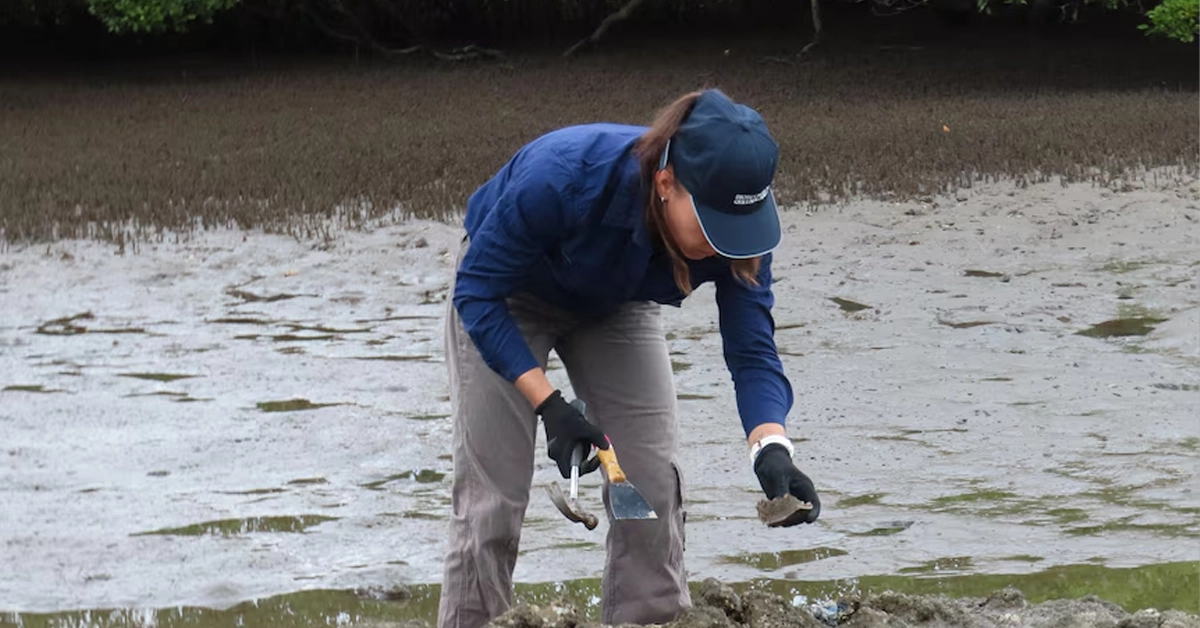
An invasive oyster species detected in Kedron Brook is still prompting warnings from authorities, with Biosecurity Queensland continuing to urge residents to report any potential sightings months after the initial alert.
Supplied: DPI / Queensland Government
Biosecurity Queensland first called for public reports in early September and is maintaining its request as monitoring of local waterways continues. Officials say community awareness remains essential, particularly in urban creeks where invasive species can be difficult to detect in their early stages.

Supplied: DPI / Queensland Government
What’s been found in Kedron Brook

Supplied: DPI / Queensland Government
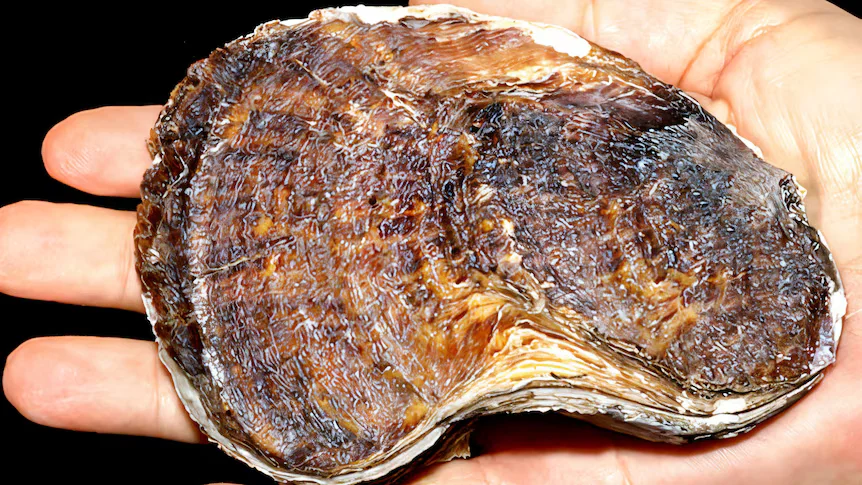
The species involved is the Suminoe oyster, also known as the Chinese river oyster — a non-native species previously identified in Kedron Brook. While it may resemble other oysters, it is a concern because of its ability to spread rapidly and survive in a wide range of conditions, including low salinity and poorer water quality.
Supplied: DPI / Queensland Government
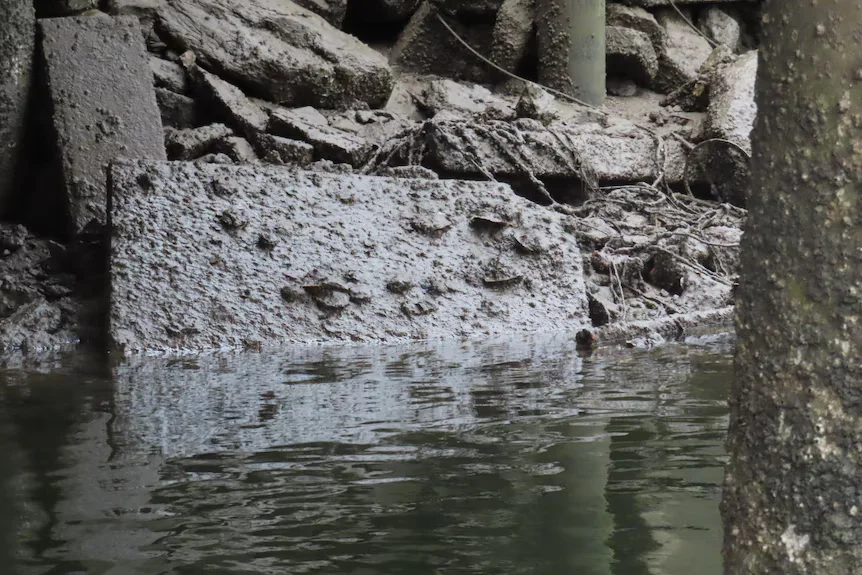
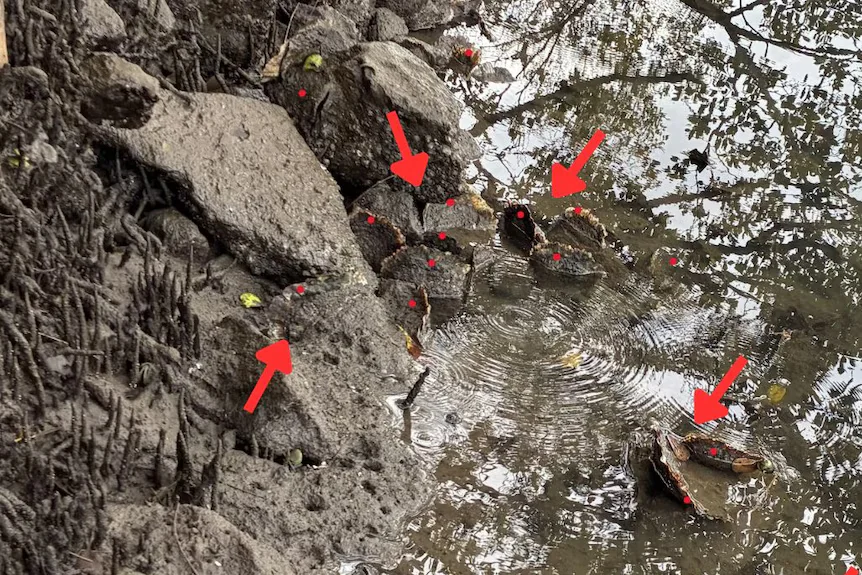
This adaptability makes urban waterways especially vulnerable. Authorities say the oysters can attach themselves to rocks, concrete, bridge pylons and other hard surfaces, sometimes forming clusters that are easy to overlook unless you know what to look for.

Why authorities remain concerned
Biosecurity Queensland is continuing to seek public reports as part of efforts to track and manage the species.

Supplied: DPI / Queensland Government
Invasive oysters can establish quietly and expand over time. Overseas, similar species have been shown to outcompete native shellfish and alter waterways by changing habitat structure and water flow. While the oysters are not known to pose a direct risk to people, their long-term impact on local ecosystems can be significant.
Once an invasive species becomes widespread, eradication becomes extremely difficult — which is why early detection is critical.
What locals are being asked to do
Residents who regularly use Kedron Brook — whether walking, cycling, kayaking or fishing — are encouraged to stay alert. Anyone who notices unfamiliar oysters or shellfish attached to hard surfaces is urged not to touch or remove them.


Instead, Biosecurity Queensland asks people to document what they see and report it through official biosecurity reporting channels. Photos and accurate location details can help authorities identify the species and respond appropriately.
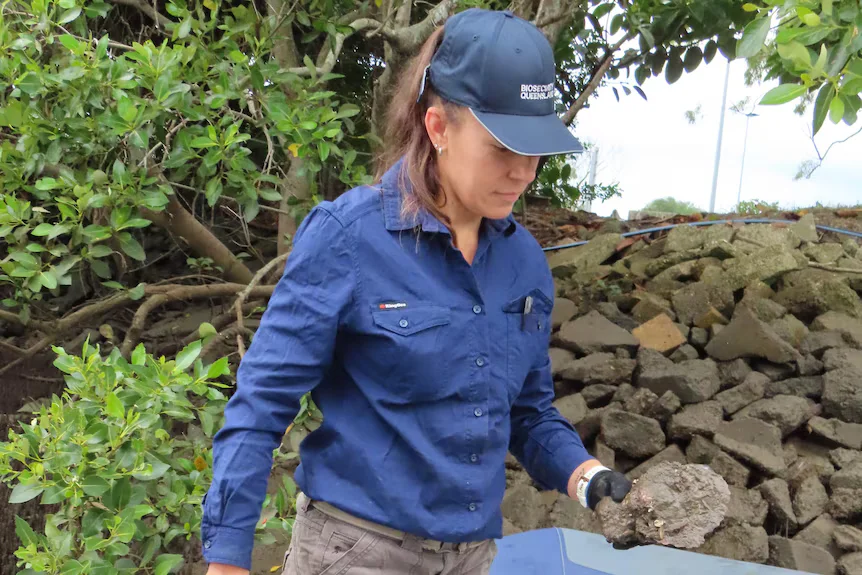
Supplied: DPI / Queensland Government
Officials warn that well-intentioned attempts to remove oysters can worsen the problem by spreading larvae to new areas.
Community eyes on the creek
Kedron Brook is a valued green corridor through Brisbane’s northern suburbs, used daily by locals and supporting a range of wildlife. Protecting it from invasive species relies not only on government action but also on the people who spend time along the water noticing when something does not look right.
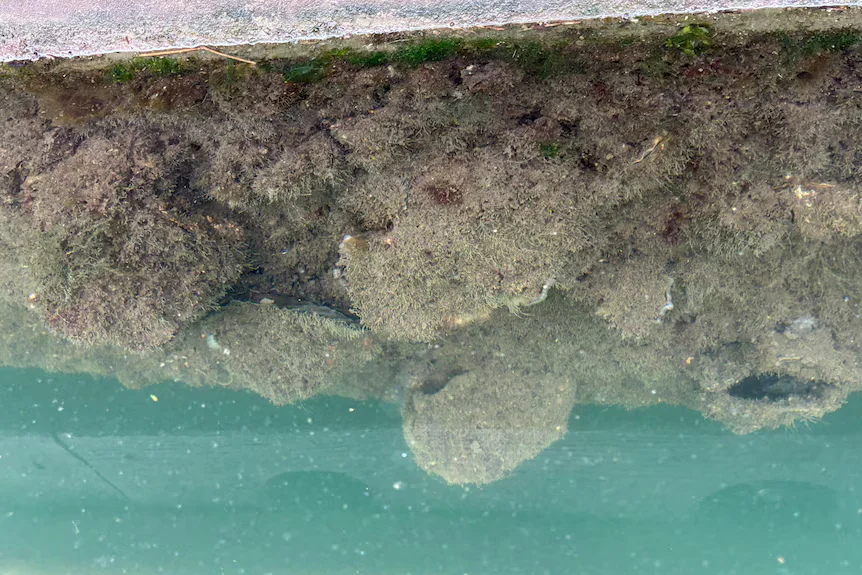
Supplied: DPI / Queensland Government
Authorities say public reports have already helped identify invasive species elsewhere, and the same vigilance is now being encouraged along Kedron Brook.
For locals, the message remains clear months after the first alert: enjoy the creek — but if you spot something unusual, report it. Early action could help prevent long-term damage to one of the area’s most important natural assets.
Published 29-December-2025