



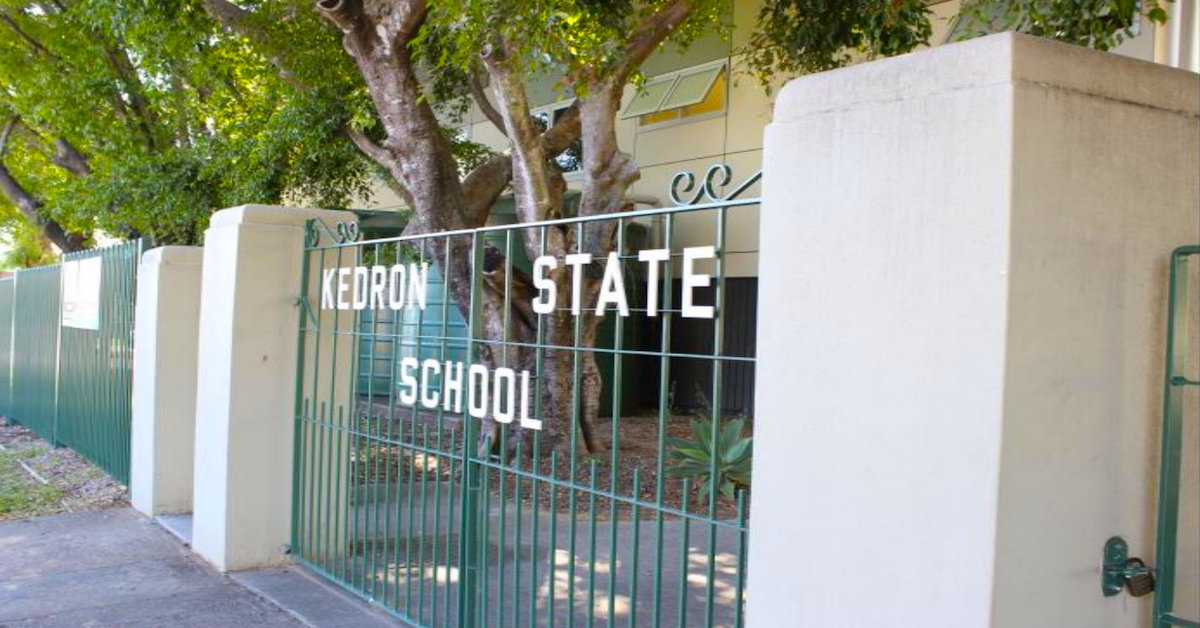
Ask the kids at Kedron State School about their discipline policy, and you might hear them call it the “school with no rules”. Ask the state’s annual survey, and you’ll find one of the most successful behaviour records in the city.
In the Queensland Department of Education’s 2025 School Opinion Survey, every single staff member who responded agreed that student behaviour in this school was managed well. Among students, 92 per cent backed the school’s environment.
The annual survey measures community confidence rather than tallying up playground incidents or suspension counts. At Kedron State School, that confidence comes from a bold strategy: ditching exhaustive lists of banned behaviours in favour of teaching kids how to manage themselves.
Trading rulebooks for responsibility
Principal Susie Randel-Kneipp says the school made a deliberate decision to step away from long lists of minor infractions framed around what students can’t do. Instead, teachers guide children to understand how their choices impact others and what responsibility looks like in practice.
While Kedron still enforces a formal Student Code of Conduct, day-to-day culture relies on positive frameworks. Tools like the Kedron Cross, STRIVE expectations, and the Connecting4Success wellbeing program replace rigid policing with core values: respect, responsibility, safety, and self-regulation.
The goal is to teach children to recognise their emotions and adjust their own actions, rather than waiting for an adult to step in.
Emotional toolkit starts in Prep
This focus on self-regulation starts the moment students enter prep. Using the Zones of Regulation framework, teachers help four- and five-year-olds identify their emotional triggers and understand how their mood affects their classmates. By the time students reach upper primary, they are working directly with teachers to set personal STRIVE learning goals.
A 2025 school review found the strategy pays off. Reviewers noted that Connecting4Success actively builds student independence and self-belief, creating a caring environment where children and staff share a common language for handling tricky moments.


No isolated teachers in the staffroom
Kedron’s perfect score among staff reflects a workplace culture built on heavy collaboration. The 2025 review highlighted deep trust among the teaching team, noting that staff felt comfortable seeking advice and that newer teachers felt strongly supported by leadership.
When staff feels backed by colleagues, discipline ceases to be a solo battle. For students, it creates a seamless culture where expectations remain rock-solid, no matter which classroom they walk into.
Kedron actively opens its gates to families through class reps, regular catch-ups, and active volunteer networks. But when it comes to discipline, the boundaries are drawn with laser precision.
The school’s 2025 Parent Community Volunteer Handbook instructs helpers to model positive habits and offer encouraging choices, while leaving discipline and redirection strictly to professional staff.
The handbook also embeds the school’s core philosophy into volunteering: adults are advised to give students time to respond when making a choice, giving children the breathing room needed to think, settle, and take ownership of their next move.
Confidence over perfection
Kedron’s survey results don’t suggest a school without classroom disruptions or childhood mistakes. What they show is absolute confidence in the system when challenges do surface.
By prioritising emotional maturity over rigid rulebooks, Kedron has built a culture where students take ownership of their choices—and proved why a school dubbed “rule-free” by its kids is pulling in some of the highest discipline marks in Brisbane.