



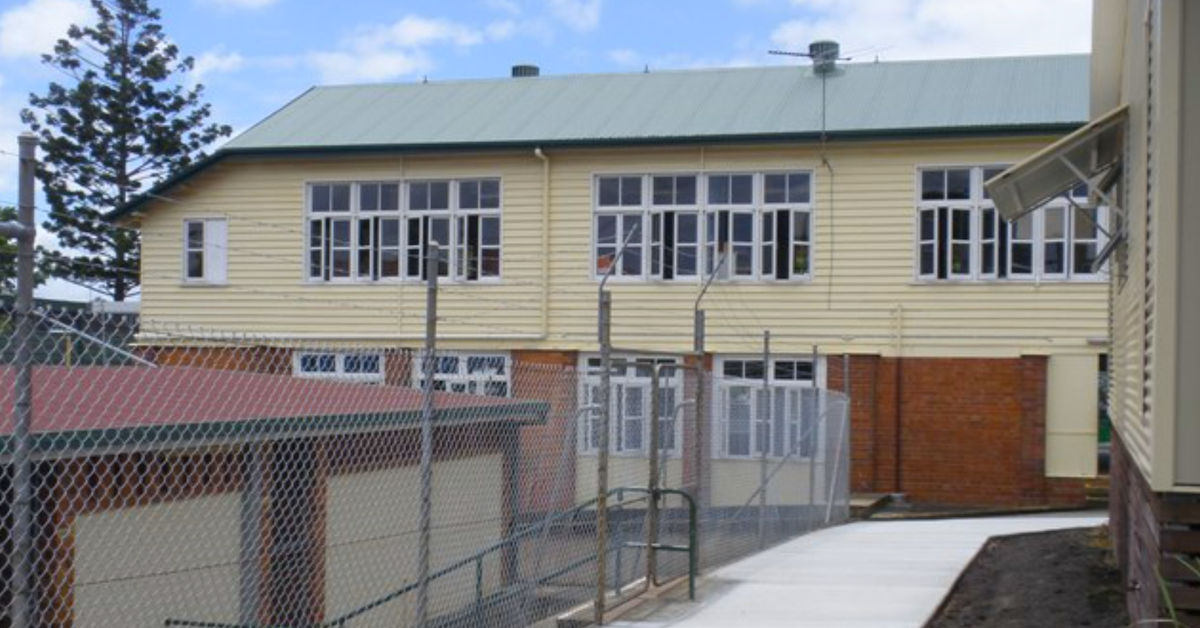
Kedron State School has reached its centenary, marking 100 years since a growing northern Brisbane community gained a primary school as housing estates and tram connections reshaped the suburb.
The school was officially opened in October 1926 and classes began on Monday, 4 October, with 216 pupils.
Kedron was growing fast
Kedron was changing rapidly during the 1920s. Land once used for farms and larger properties was being divided into residential estates as Brisbane expanded north.
Tram access helped drive the shift. The line had reached Kedron Brook in 1913, with the Gympie Road service extended to Lutwyche Cemetery in 1925. The extension opened more of Kedron to residential subdivision at a time when private car ownership remained relatively low and trams were an important form of transport.
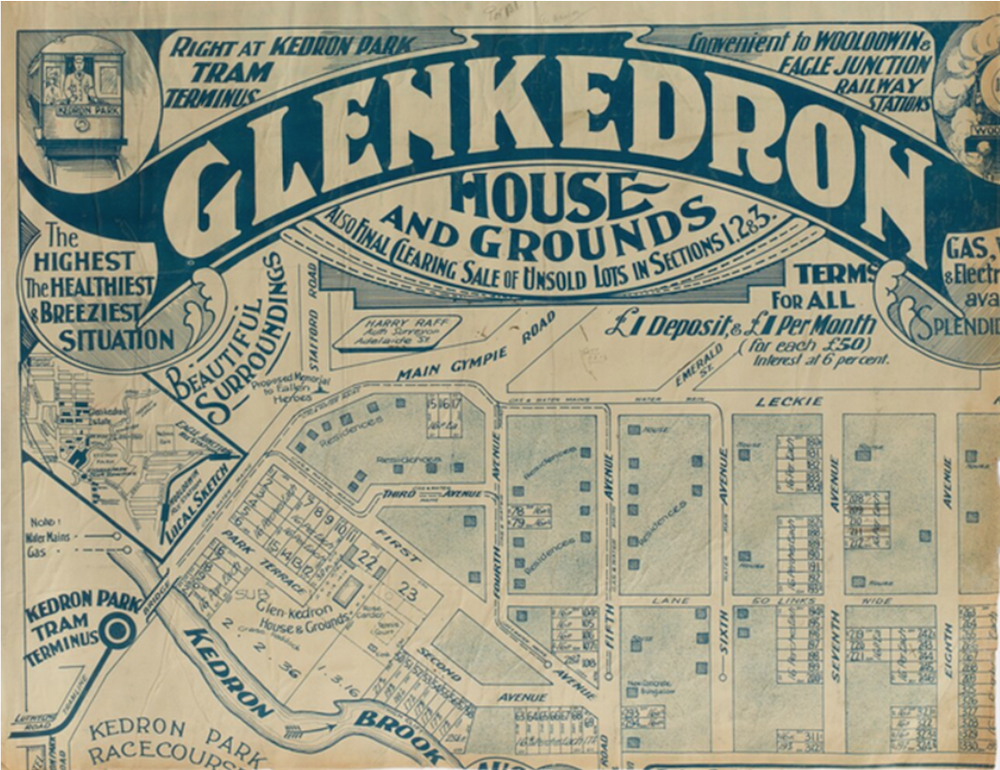
Housing estates were already spreading east of Leckie Road. The first section of the Glen Kedron Estate offered 246 allotments in 1917, with further sections released in the following years. Advertising promoted tram access and services such as water and gas to prospective buyers.
By the mid-1920s, community facilities were following the new homes. A Methodist church opened at Ninth Avenue and Leckie Road in February 1926, while shops and other services developed through the avenues.
Residents pressed for a school
Population growth brought demand for a local primary school, and heritage records show Kedron residents lobbied the Department of Public Instruction for one.
Land between Ninth and Tenth Avenues was purchased for the school site on 26 August 1924. Approval for construction came on 3 July 1925, with the school subsequently built by the government Works Department.


Heritage documentation identifies the school’s establishment as part of Kedron’s interwar growth, when residential development was accelerating across Brisbane’s northern suburbs.
The first pupils arrive
James Lennon was appointed headmaster in July 1926, several months before pupils entered the school. On 1 October, 171 children arrived to enrol. When lessons began on 4 October, enrolment had risen to 216 pupils. Historical records identify Florence Hawkins, Ruth Pilkington, Roy Bayliss and Marcella Fitzgerald among the school’s first teaching staff alongside Lennon.
The school joined a growing collection of local institutions as the suburb developed. Kedron’s School of Arts followed in 1928, with further educational and community facilities established in later years.
Old Kedron remains visible
Parts of the early school still survive. Blocks B and C at the Ninth Avenue campus are recognised as local heritage places, reflecting both Kedron’s interwar development and the school’s long association with the community.
Estate maps from the period also show how larger holdings were broken into residential allotments as developers promoted the district to new homebuyers. Kedron later developed into a mix of interwar and early postwar housing, while Gympie Road became an established shopping strip serving the growing suburb.
A school still tied to Kedron
Kedron State School remains on Ninth Avenue and teaches children from Prep to Year 6. Its long-held motto, “By Industry We Prosper,” remains in use. Current enrolment arrangements give priority to families living within the school’s catchment, with out-of-catchment places dependent on enrolment numbers and capacity.
Published 2-Oct-2026