


Kedron Residents Invited to Review School Safety Plan Ahead of December Works

Residents, parents, and motorists are being invited to have their say on the newly released Kedron Safer School Precinct Plan, which proposes upgrades to pedestrian crossings, footpaths, and traffic movements around three local schools.


Read: Kedron Included in Proposal for Safer School Precincts in Brisbane


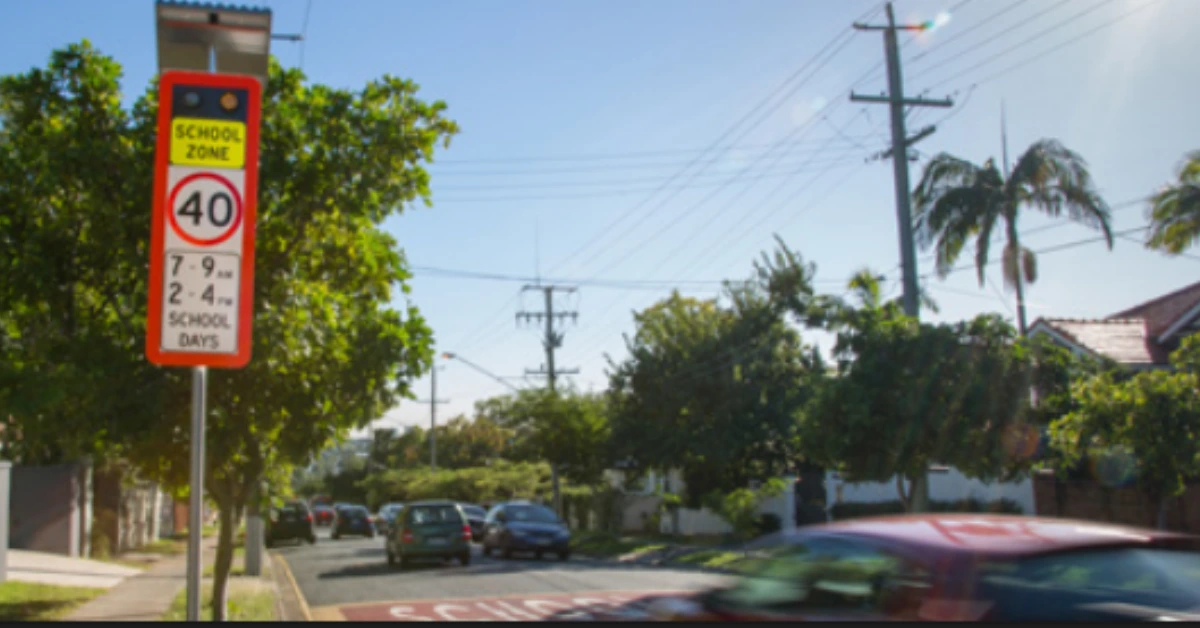
The proposed improvements aim to make travel safer and easier for students, families and the wider community, with construction expected to begin in December 2026. Mount Alvernia College, Padua College, and St Anthony’s Primary School helped refine the plan during its development, providing input on proposed changes affecting their school communities.
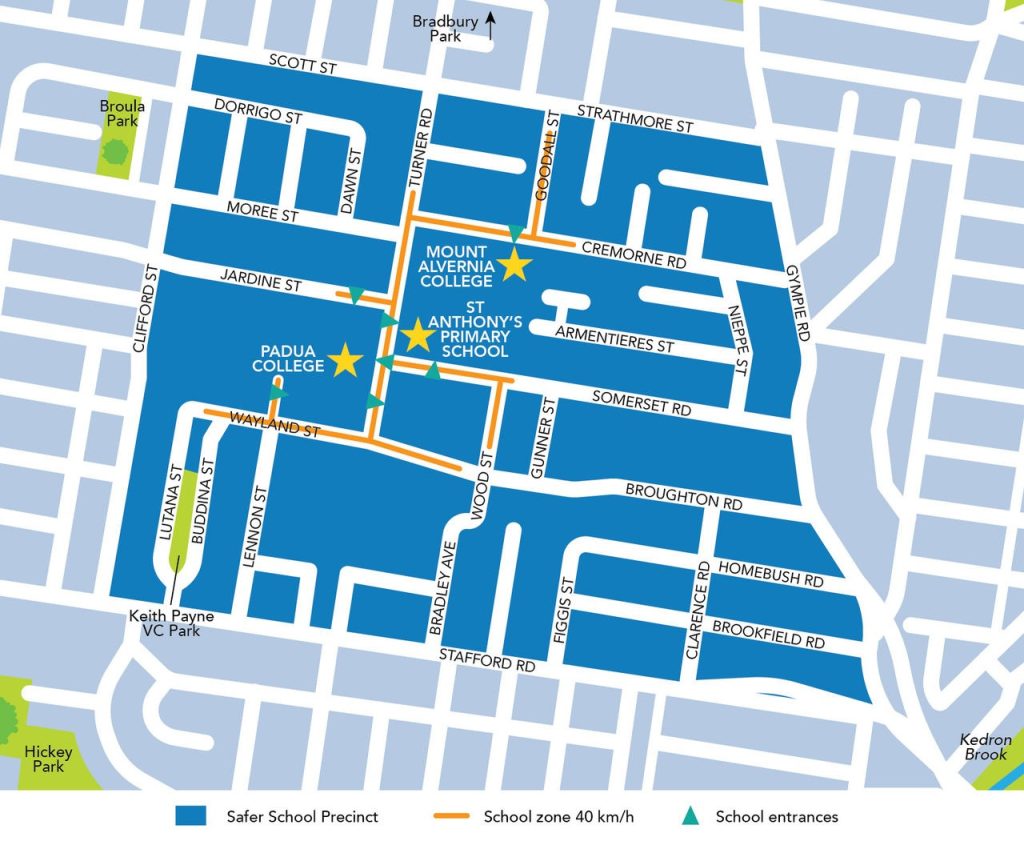
Photo credit: BCC

Brisbane City developed the precinct plan following community consultation in late 2024, when residents and road users were asked about their experiences travelling through the area. Their responses helped prioritise proposed safety improvements alongside technical investigations and traffic modelling.

Feedback highlighted several concerns, including speeding, unsafe driving behaviour, heavy traffic volumes, and motorists using local streets as shortcuts. Residents also called for more pedestrian crossings and footpaths throughout the precinct.

Safer Crossings and Traffic Improvements Proposed
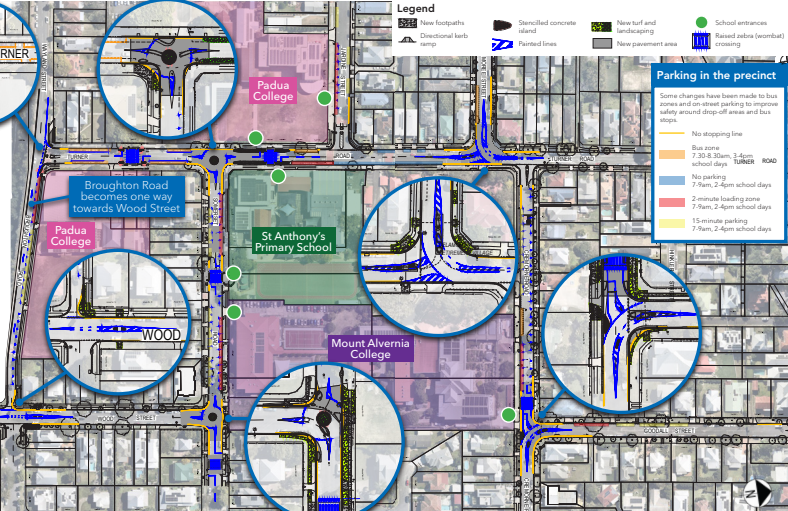
Photo credit: BCC

The precinct plan includes safer pedestrian crossings at key locations, footpath and accessibility upgrades, and changes to traffic movements intended to improve road safety and traffic flow. Concrete islands and line markings are also proposed to help guide motorists through the area. Brisbane City said these treatments are intended to address identified safety concerns and improve movement through the precinct.

The project prioritises locations with higher safety risks and areas where the proposed improvements are expected to provide the greatest benefits. The final plan and construction details are expected to be shared before work begins.

The design process involved Brisbane’s engineering and design teams, who used technical investigations, traffic modelling and feedback from residents, schools and road users to determine which treatments should be prioritised. The project also seeks to encourage walking, cycling and public transport use by making different ways of travelling through the precinct safer and more accessible.

Residents Invited to Have Their Say Before Construction

With the precinct plan now released, Brisbane is seeking another round of community feedback before progressing towards construction.

Three drop-in information sessions have been scheduled, giving residents an opportunity to speak directly with the project team, ask questions and learn more about the proposed changes.

The sessions will take place at the following locations:

  • Thursday 22 October, 2pm to 4pm: Cremorne Road, Kedron, near the intersection with Goodall Street.
  • Sunday 25 October, 8am to 10am: Keith Payne Park, 38 Buddina Street, Stafford.
  • Tuesday 27 October, 2pm to 4pm: Turner Road, Kedron, near the intersection with Jardine Street.

Residents who cannot attend can provide feedback by emailing SaferSchoolPrecincts@brisbane.qld.gov.au or calling 07 3178 5413 during business hours. Brisbane’s 24-hour contact number, 07 3403 8888, is also available.


Read: 100 Lives Lost on Queensland Roads: Authorities Urge Safer Driving


The project timeline identifies school empowerment initiatives during Term 4, 2026, intended to support school communities as they transition to using the new infrastructure. Construction is expected to begin in December 2026, with completion anticipated in mid-2027, subject to weather, site conditions and finalisation of the plan.

Community feedback on the Kedron Safer School Precinct Plan closes at midnight on Sunday 1 November 2026. Residents can review the plan and find further information on Brisbane’s project website before submitting their comments.

Published 16-October-2026
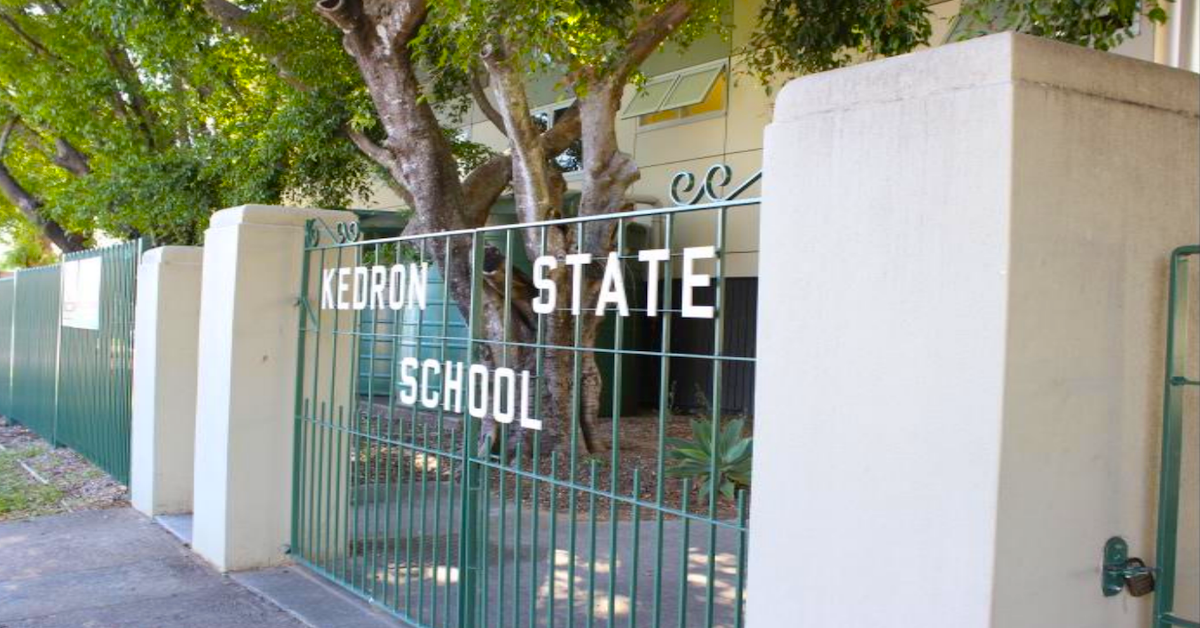
Kedron State School Behaviour Survey Shows Strong Staff and Student Confidence

Ask the kids at Kedron State School about their discipline policy, and you might hear them call it the “school with no rules”. Ask the state’s annual survey, and you’ll find one of the most successful behaviour records in the city.


In the Queensland Department of Education’s 2025 School Opinion Survey, every single staff member who responded agreed that student behaviour in this school was managed well. Among students, 92 per cent backed the school’s environment.

The annual survey measures community confidence rather than tallying up playground incidents or suspension counts. At Kedron State School, that confidence comes from a bold strategy: ditching exhaustive lists of banned behaviours in favour of teaching kids how to manage themselves.

Trading rulebooks for responsibility

Principal Susie Randel-Kneipp says the school made a deliberate decision to step away from long lists of minor infractions framed around what students can’t do. Instead, teachers guide children to understand how their choices impact others and what responsibility looks like in practice.

While Kedron still enforces a formal Student Code of Conduct, day-to-day culture relies on positive frameworks. Tools like the Kedron Cross, STRIVE expectations, and the Connecting4Success wellbeing program replace rigid policing with core values: respect, responsibility, safety, and self-regulation.

The goal is to teach children to recognise their emotions and adjust their own actions, rather than waiting for an adult to step in.

Emotional toolkit starts in Prep

This focus on self-regulation starts the moment students enter prep. Using the Zones of Regulation framework, teachers help four- and five-year-olds identify their emotional triggers and understand how their mood affects their classmates. By the time students reach upper primary, they are working directly with teachers to set personal STRIVE learning goals.

A 2025 school review found the strategy pays off. Reviewers noted that Connecting4Success actively builds student independence and self-belief, creating a caring environment where children and staff share a common language for handling tricky moments.

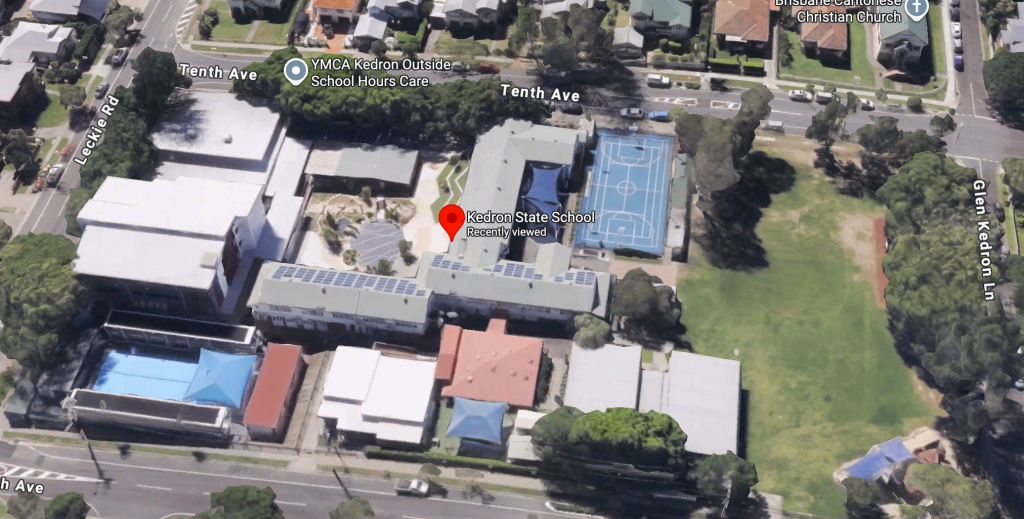
Photo Credit: Google Maps screengrab

No isolated teachers in the staffroom

Kedron’s perfect score among staff reflects a workplace culture built on heavy collaboration. The 2025 review highlighted deep trust among the teaching team, noting that staff felt comfortable seeking advice and that newer teachers felt strongly supported by leadership.

When staff feels backed by colleagues, discipline ceases to be a solo battle. For students, it creates a seamless culture where expectations remain rock-solid, no matter which classroom they walk into.

Kedron actively opens its gates to families through class reps, regular catch-ups, and active volunteer networks. But when it comes to discipline, the boundaries are drawn with laser precision.

The school’s 2025 Parent Community Volunteer Handbook instructs helpers to model positive habits and offer encouraging choices, while leaving discipline and redirection strictly to professional staff.

The handbook also embeds the school’s core philosophy into volunteering: adults are advised to give students time to respond when making a choice, giving children the breathing room needed to think, settle, and take ownership of their next move.

Confidence over perfection

Kedron’s survey results don’t suggest a school without classroom disruptions or childhood mistakes.  What they show is absolute confidence in the system when challenges do surface.


By prioritising emotional maturity over rigid rulebooks, Kedron has built a culture where students take ownership of their choices—and proved why a school dubbed “rule-free” by its kids is pulling in some of the highest discipline marks in Brisbane.