

Inside Kedron’s Expanded QAS Clinical Hub: The Team Answering Queensland’s Triple Zero (000) Calls

Every day, roughly 3,800 Queenslanders pick up the phone and dial Triple Zero (000). Now, thanks to the expanded Queensland Ambulance Service Clinical Hub at Kedron, nearly half of those callers are being navigated toward the most appropriate care for their needs — which isn’t always an ambulance.


Read: Kedron Emergency Hub Expansion Aims to Ease Strain on QLD’s Ambulances


The $8.31 million expansion of the QAS Clinical Hub, housed within the Emergency Services Complex at Kedron, was completed in February 2026. It represents one of the most significant upgrades to Queensland’s emergency response infrastructure in recent years, and much of it is happening on Brisbane’s northside.

From Pandemic Stopgap to State-Wide Lifeline

Clinical Hub
Photo credit: Facebook/Queensland Ambulance Service (QAS)

The Clinical Hub wasn’t always what it is today. It started in 2020 as a relatively modest operation, a small team working 16-hour days during the COVID-19 pandemic, designed to help hospitals and paramedics manage a surge in demand.

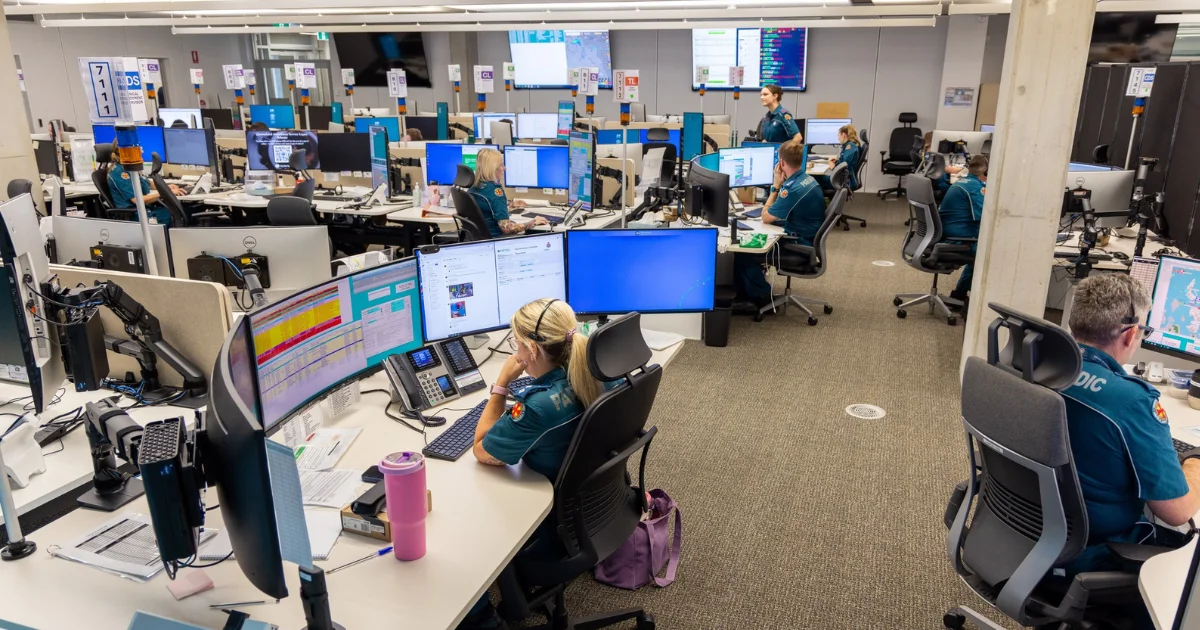
What began as a temporary measure grew into something far more enduring. The hub now operates 24 hours a day, seven days a week, and employs more than 140 staff. Its multidisciplinary team includes senior paramedics, specialist doctors, registered nurses, mental health clinicians, social workers, occupational therapists and physiotherapists, a breadth of expertise that allows the hub to respond to a wide range of needs well beyond a traditional emergency call centre.

The expansion has more than doubled the hub’s physical capacity, growing from 26 workstations to 66, giving clinicians the tools and space to handle the volume of calls the service now receives.

What Happens When You Call

Clinical Hub
Photo credit: Facebook/Queensland Ambulance Service (QAS)

Queensland’s Triple Zero network receives a call approximately every 24 seconds. In the last three months of 2025 alone, that added up to more than 335,000 calls statewide. Of the roughly 3,800 daily calls, around 1,800 are directed to the Clinical Hub for what the QAS describes as secondary triage and health navigation.

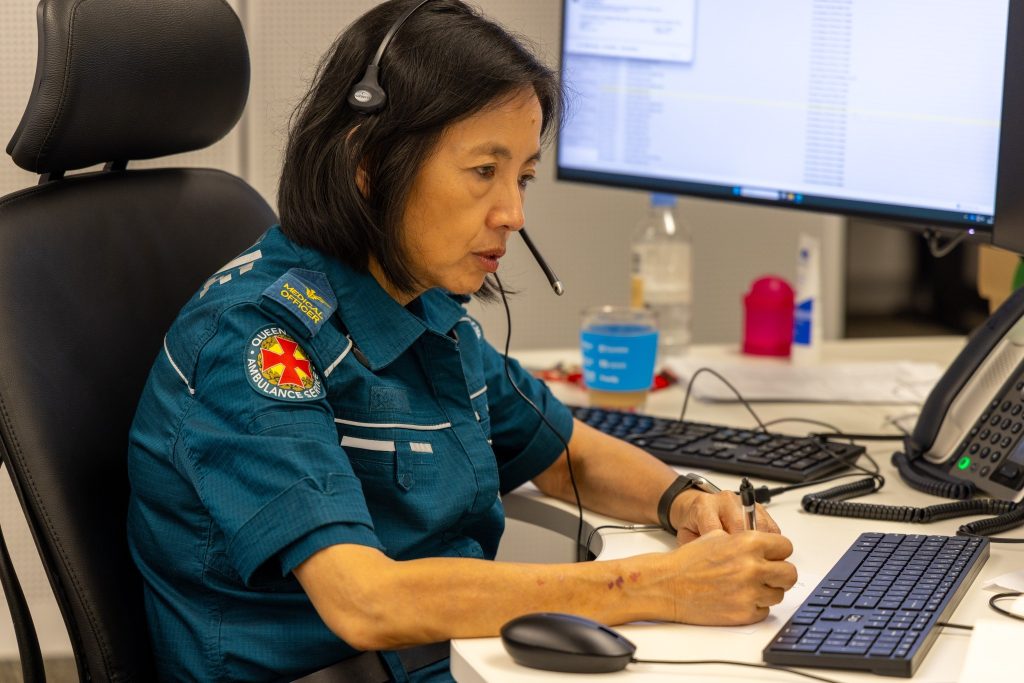
Clinicians take a thorough, case-by-case approach to each call. They may conduct a video or telehealth consultation to get a clearer picture of what a patient is experiencing before determining the most appropriate response. That response might be an ambulance, but it might also be clinical advice, a mental health referral, connection to aged care services, or follow-up through community health programs.

Between July and December 2025, more than 33,000 Queenslanders received care through the hub without an ambulance being dispatched. That’s thousands of hospital trips avoided and ambulances kept free for time-critical emergencies — the kind that cannot wait.

Easing the Pressure on a Stretched System

Clinical Hub
Photo credit: Facebook/Queensland Ambulance Service (QAS)

The expansion couldn’t come at a more critical time. Queensland’s emergency departments have seen demand climb 4.5 per cent over the past five years. Ambulance ramping, which is the delays that occur when paramedics cannot promptly transfer patients at hospital, remains a persistent challenge, with 41 per cent of patients ramped beyond the recommended time across 26 of the state’s public hospitals.

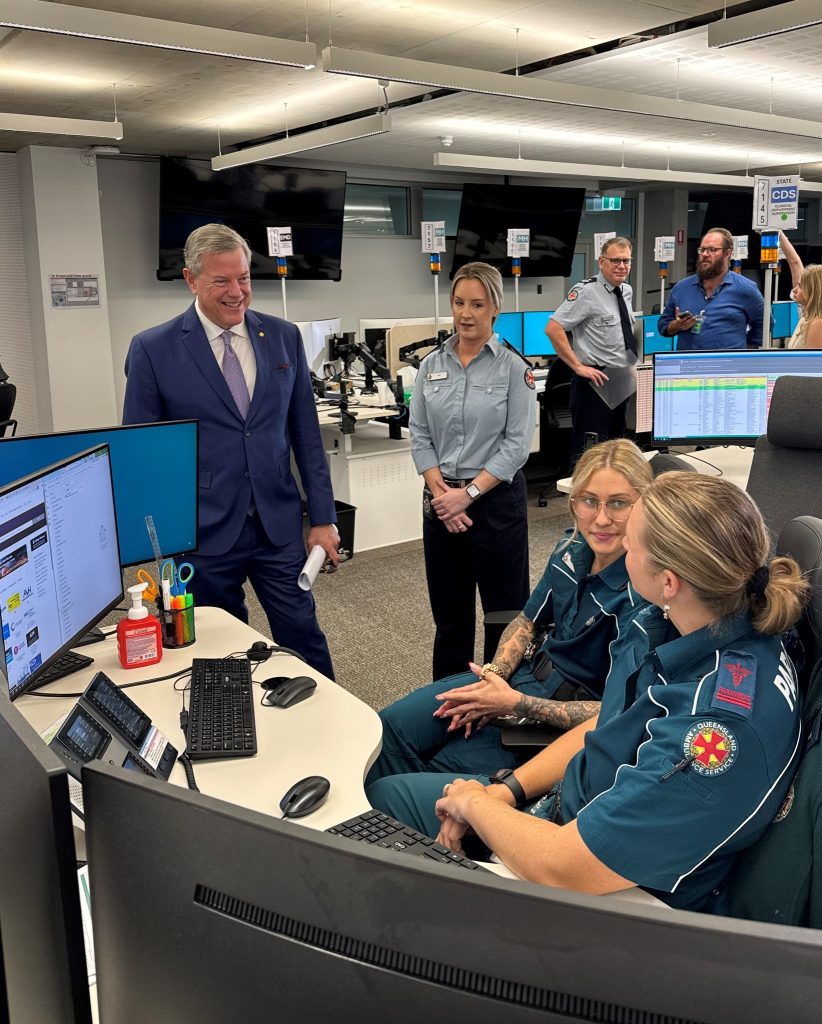
The Clinical Hub contributes to easing these pressures by identifying calls that don’t require an ambulance response before a vehicle is ever dispatched. Hub Director Sam Herring has described the shift in thinking as moving away from a one-size-fits-all approach to emergency care, one where every Triple Zero call no longer automatically means two paramedics at the front door.

Director of integrated multidisciplinary care programs Sandra Garner has spoken about the hub’s focus on thoroughly understanding a patient’s needs to navigate them toward care that is better tailored to their circumstances than a trip to an emergency department would be.

What It Means for Kedron and Beyond

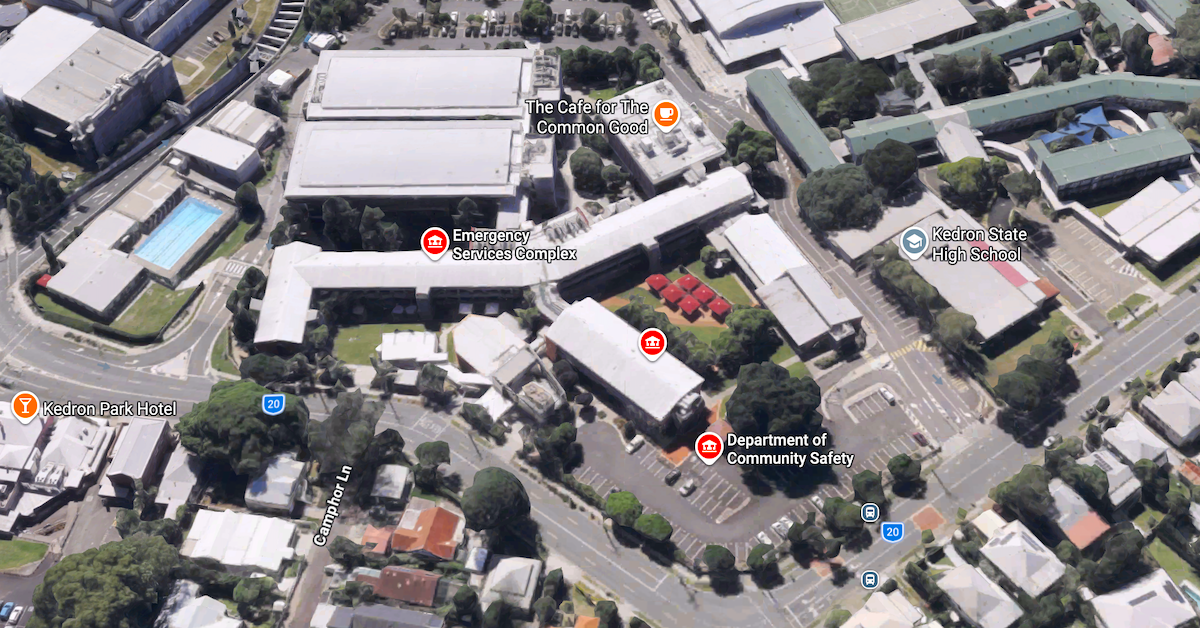
For locals, the Emergency Services Complex at Kedron has long been a familiar landmark. What many may not realise is that it now houses a critical health coordination centre serving Queenslanders state-wide, a facility that supports around 1,800 people every single day.


Read: Kedron Ambulance Worker Named Finalist for Everyday Heroes Award


Work is already underway to repurpose the former hub space into additional office and training facilities, further supporting the QAS workforce that keeps the service running.

As Queensland’s health system faces rising demand and increasing pressure on frontline services, the expanded QAS Clinical Hub at Kedron offers a practical model for ensuring Queenslanders reach the right care.

Published 18-February-2026

Kedron Clinical Hub Upgrade Doubles Triple-Zero Capacity

The Kedron Clinical Hub, housed within the suburb’s Emergency Services Complex, is receiving an $8.31-million upgrade that will more than double its ability to handle Triple Zero (000) calls and free up front-line crews for life-threatening jobs.


Opened in 2020, the hub uses senior paramedics, doctors, nurses and allied-health specialists to assess callers remotely and steer many toward telehealth consultations, mental-health teams or community falls units instead of hospital queues.

Current works will lift clinical workstations from 30 to 66, creating space for extra clinicians and allowing the service to keep pace with soaring demand across south-east Queensland.

Kedron Clinical Hub
Photo Credit: QAS/Facebook

Once complete, the expanded centre is expected to redirect up to 1,700 patient interactions each day away from busy emergency departments and ambulances while real-time telehealth monitoring escalates cases the moment conditions worsen.

Construction began in March 2025 and is already underway on-site, with fit-out and technology installation scheduled to follow later this year.

Part of a Wider Ambulance Uplift

The Kedron project sits inside a broader $1-billion investment that will deliver more than 600 extra paramedics, 300 additional ambulance health workers and 170 new or replacement vehicles fitted with the latest life-saving equipment across Queensland.

That package also includes $250 million for new and upgraded stations, $45 million for vehicles, $16.8 million for defibrillators and other operational gear, and $23.7 million to maintain existing facilities and regional paramedic accommodation.

Queensland Ambulance Service
Photo Credit: QAS/Facebook

Health and Ambulance Services Minister Tim Nicholls said the expanded hub “will ensure more patients are linked to the right care first time, keeping ambulances on the road for emergencies.”

QAS Assistant Commissioner for Statewide Planning and Coordination Alex Thompson added that the refurbishment “allows our multidisciplinary team to manage up to 1,700 daily interactions and match callers with specialist programs such as mental-health or falls co-responder units.”

The investment forms part of a wider push to cut ambulance ramping below 30 per cent by 2028; the most recent reported figure was 45.5 per cent.


The expansion aims to divert up to 1,700 daily patient interactions away from emergency departments and ambulances, improving overall service efficiency. The hub’s telehealth capability is also being strengthened to better monitor patient conditions and escalate responses as required.

Published 3-Jul-2025

Kedron Emergency Hub Expansion Aims to Ease Strain on QLD’s Ambulances

The Kedron Emergency Services Complex will expand its 24/7 Queensland Ambulance Service (QAS) Clinical Hub by $8.31 million, designed to redirect up to 1,700 daily patient interactions away from overstretched emergency services.


The $8.31-million expansion will increase the hub’s capacity to handle calls and direct patients to appropriate care. The initiative, which began in 2020, aims to relieve pressure on ambulances and emergency departments across the state. It has been deemed necessary to manage the increasing demand for emergency services better.

Expanded Services and Staffing

The QAS Clinical Hub, located within the Kedron complex, operates with a team of senior paramedics, specialist doctors, registered nurses, mental health and social workers, occupational therapists, and physiotherapists. The expansion will increase the number of desks from 30 to 66, allowing more staff to manage the high volume of calls.

The hub’s primary function is to triage Triple Zero (000) calls and determine the most suitable care pathway for each patient. This may involve dispatching specialised units, such as falls referral teams or mental health co-responders, or connecting patients with telehealth services. The additional funding will also improve the hub’s telehealth capabilities.

Focus on Timely and Appropriate Care

The expansion aims to ensure patients receive the right care at the right time. The hub frees up resources for those who require immediate, life-saving assistance by diverting non-emergency calls away from ambulances and emergency departments. The hub monitors patients through telehealth and can escalate responses if a patient’s condition deteriorates.

The government has highlighted the importance of this expansion in improving the overall efficiency of the Queensland health system. This investment will help ensure that ambulances are available for genuine emergencies and that emergency departments are not overwhelmed with non-critical cases.


Construction and Future Plans

Construction has begun at the Kedron Emergency Services Complex, with BADGE awarded the tender for the expansion. The existing QAS Clinical Hub will be refurbished to provide additional offices and training spaces. The government has said this expansion is part of a broader plan to improve access to healthcare services across Queensland.

Published Date 18-March-2025